The 5 Worst Mistakes New Writers Make (And How to Avoid Them)
Writing and publishing your first book is an exciting accomplishment. After spending months—or even years—working on a manuscript, it's tempting to rush toward publication. However, many new authors make avoidable mistakes that can hurt their chances of success.
In the video below, author and writing instructor Darlene Panzera shares five of the most common mistakes new writers make when self-publishing and what to do instead.

If you're serious about building a writing career, avoiding these pitfalls can save you time, money, and frustration.
1. Publishing Too Soon
One of the biggest mistakes new authors make is publishing before their manuscript is truly ready.
Typing "The End" doesn't mean your book is finished. In most cases, what you have is a rough draft that still needs revision, polishing, and feedback.
Before publishing, ask yourself:
- Can your characters be developed further?
- Are your plot twists as strong as they could be?
- Do your chapter endings keep readers turning pages?
- Is your dialogue sharp, realistic, and engaging?
- Have you received feedback from critique partners or beta readers?
Many authors are eager to see their books in print, but taking a few extra months to improve your manuscript can dramatically increase its quality.
Remember: readers only see the final product. Give them your best work.
2. Skipping Professional Editing
Even experienced authors need editors.
After spending countless hours with your manuscript, it's easy to overlook mistakes because your brain automatically fills in missing information. A professional editor provides a fresh set of eyes and can catch errors you may never notice on your own.
Different types of editors provide different services:
Developmental Editors
These editors focus on the big picture, including:
- Plot structure
- Character development
- Pacing
- Story consistency
Line and Copy Editors
These editors focus on:
- Grammar
- Punctuation
- Sentence structure
- Word choice
- Clarity
Professional editing is an investment in your publishing business. If you're planning to build a long-term writing career, editing should be considered a necessary startup expense—not an optional luxury.
A poorly edited book can result in negative reviews, lost readers, and missed opportunities.
3. Using a Cheap or Unprofessional Book Cover
People absolutely judge books by their covers.
Your cover is often the first thing potential readers see, making it one of your most important marketing tools.
Unfortunately, many new authors try to save money by creating their own cover or asking a friend with limited design experience to help. While this may seem cost-effective, it can hurt sales if the final result doesn't meet industry standards.
A professional cover designer understands:
- Genre expectations
- Typography
- Color psychology
- Market trends
- Reader behavior
Whether your cover is created traditionally or incorporates AI-generated elements, the goal remains the same: create a professional-looking cover that attracts your target readers.
A strong cover can increase clicks, sales, and reader trust.
4. Not Having an Author Website
Many new writers focus entirely on publishing and forget to build their online presence.
An author website serves as your home base on the internet. Unlike social media platforms, you control your website and the content on it.
Your website should include:
- An author bio
- Information about your books
- Links to retailers
- Contact information
- Social media links
- Upcoming releases and announcements
Most importantly, your website should help you grow your email list.
An email list allows you to communicate directly with readers, announce new releases, share updates, and build long-term relationships with your audience.
Even unpublished authors can begin growing an email list today.
The earlier you start, the better.
5. Having Unrealistic Expectations
Many aspiring authors dream of publishing one book and instantly becoming a bestseller.
While success stories exist, they're the exception—not the rule.
Most successful authors spend years learning:
- Storytelling techniques
- Publishing processes
- Marketing strategies
- Audience building
- Business skills
Writing is like learning any other skill. A pianist must practice. A doctor must study medicine. Authors must learn the craft of storytelling and continue improving over time.
If your expectations are unrealistic, you may become discouraged when success doesn't happen immediately.
Instead:
- Focus on improving your craft.
- Set realistic goals.
- Learn from experienced authors.
- Celebrate small victories.
- Commit to long-term growth.
Many writing careers are built over five, ten, or even twenty years.
The authors who succeed are often the ones who stay consistent and keep learning.
Final Thoughts
Every author makes mistakes, especially in the beginning. The key is learning from them and avoiding the ones that can slow your progress.
To recap, the five biggest mistakes new writers make are:
- Publishing too soon
- Skipping professional editing
- Using an unprofessional book cover
- Not having an author website
- Having unrealistic expectations
Writing and publishing a successful book takes time, patience, and a willingness to keep improving. Focus on building your skills, creating the best book possible, and developing a long-term plan for your writing career.
The effort you invest today can pay dividends for years to come.
We Believe All Authors Can Aspire to Take Their Writing to the Next Level!
Our Goal for Aspiring Writer Academy is to help people learn how to write quality fiction, teach them to publish and promote their work, and to give them the necessary tools to pursue a writing career.
Before You Go… Grab This Free Resource!
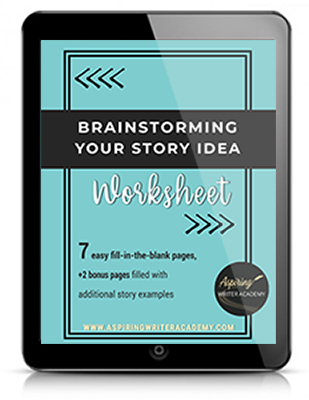
If you’re in the early stages of writing your novel, don’t forget to download our free Brainstorming Your Story Idea Worksheet. It includes:
-
Fill-in-the-blank prompts
-
Story structure examples
-
Guided questions
-
Idea-boosting templates
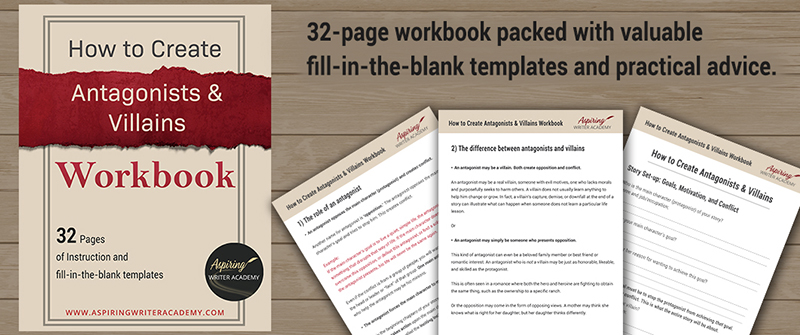
Do you find it difficult to create compelling antagonists and villains for your stories? Do your villains feel cartoonish and unbelievable? Do they lack motivation or a specific game plan? Discover the secrets to crafting villains that will stick with your readers long after they finish your story, with our How to Create Antagonists & Villains Workbook.
This 32-page instructional workbook is packed with valuable fill-in-the-blank templates and practical advice to help you create memorable and effective antagonists and villains. Whether you're a seasoned writer or just starting out, this workbook will take your writing to the next level.
Other Posts You May Like: