
Posts by Darlene Panzera
How to Plot a Novel Using the W Plot Structure (An Easy Template for New Writers)
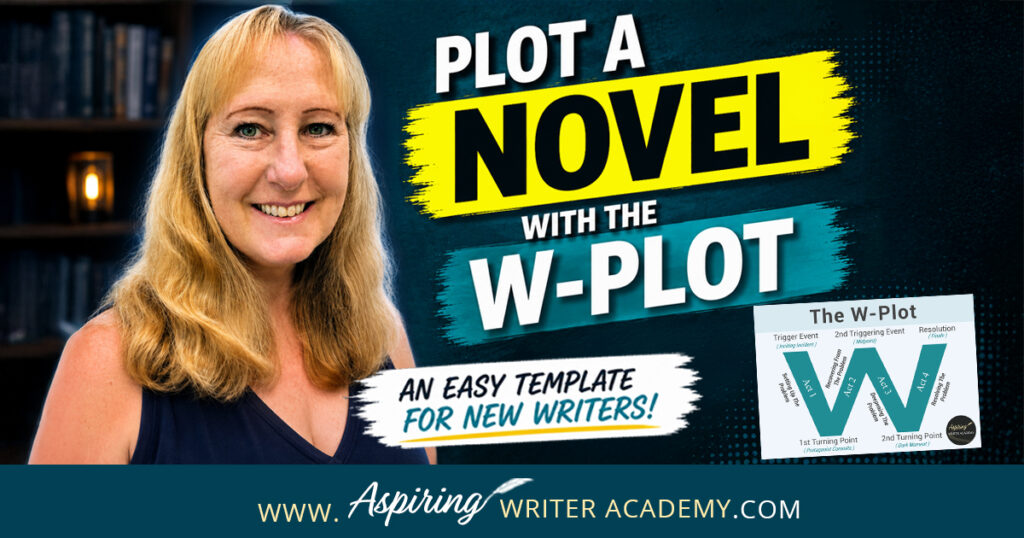
Do you have a great story idea but struggle to figure out what happens next? Plotting a novel can feel overwhelming, especially when you are staring at dozens of ideas and trying to figure out how they all fit together. Fortunately, you don’t have to plan every scene before you begin writing. The W Plot…
Read MoreMost Writers Edit Their Book in the Wrong Order (Macro, Line & Copy Edits)
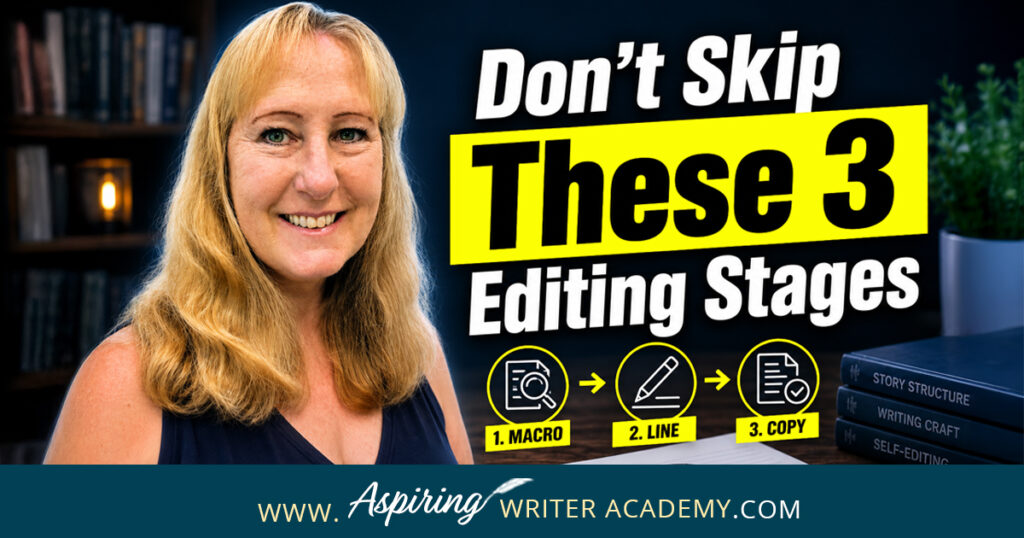
You Finished Your First Draft… Now What? Typing “The End” is an incredible accomplishment. But before you start fixing grammar mistakes or searching for typos, ask yourself one question: Are you editing your book in the right order? Many writers immediately jump into polishing sentences, correcting punctuation, and replacing weak words. While those tasks are…
Read MoreHow to Pace Your Novel (Keep Readers Hooked Until the End)
Have you ever started reading a novel that grabbed your attention immediately… only to lose interest halfway through? Or maybe you’ve reached the ending of a book and thought, That was it? In many cases, both of these problems come down to one thing: story pacing. Learning how to pace your novel is one of…
Read More12 Protagonist Mistakes That Frustrate Readers (And How to Fix Them)
A compelling protagonist can make readers fall in love with your story. A weak protagonist, however, can leave readers frustrated, disengaged, and unwilling to finish your book. If you want readers eagerly turning pages, your protagonist needs to be someone they can understand, root for, and emotionally connect with. Unfortunately, many writers unintentionally create characters…
Read MoreThe 5 Worst Mistakes New Writers Make (And How to Avoid Them)
Writing and publishing your first book is an exciting accomplishment. After spending months—or even years—working on a manuscript, it’s tempting to rush toward publication. However, many new authors make avoidable mistakes that can hurt their chances of success. In the video below, author and writing instructor Darlene Panzera shares five of the most common mistakes…
Read MoreThree Act Structure: How to Write Act Three With a Climax Readers Will Remember
If Act 1 sets up your story and Act 2 raises the tension, then Act 3 is where everything finally pays off. This is the part of your novel readers have been waiting for. It contains the climax, the final confrontation, the emotional payoff, and the resolution to the story problem you introduced at the…
Read MoreHow to Structure Act 2 in a Novel (With Movie Examples)
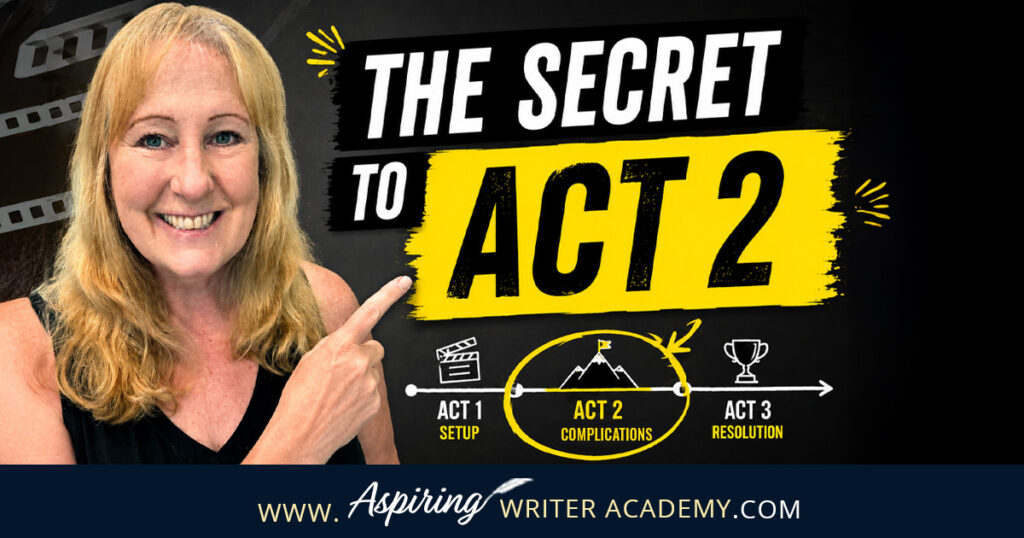
If you’ve ever struggled with the middle of your story, you’re not alone. Act 2 is where most writers get stuck. It’s the longest part of a novel, and without structure, it can feel like your story is just… wandering. Nothing is really happening, the pacing drags, and suddenly writing feels harder than it should…
Read MoreBlog Tours for Authors: What They Are & How to Use Them for Your Book Launch
If you’re getting ready to launch a book, you’ve probably heard people mention blog tours as a marketing strategy. But what exactly is a blog tour… and is it actually worth your time? In this post, we’re breaking down what blog tours are, how they work, and how you can use them to promote your…
Read MoreWhy Book Reviews Matter (and How to Get More for Your Book)
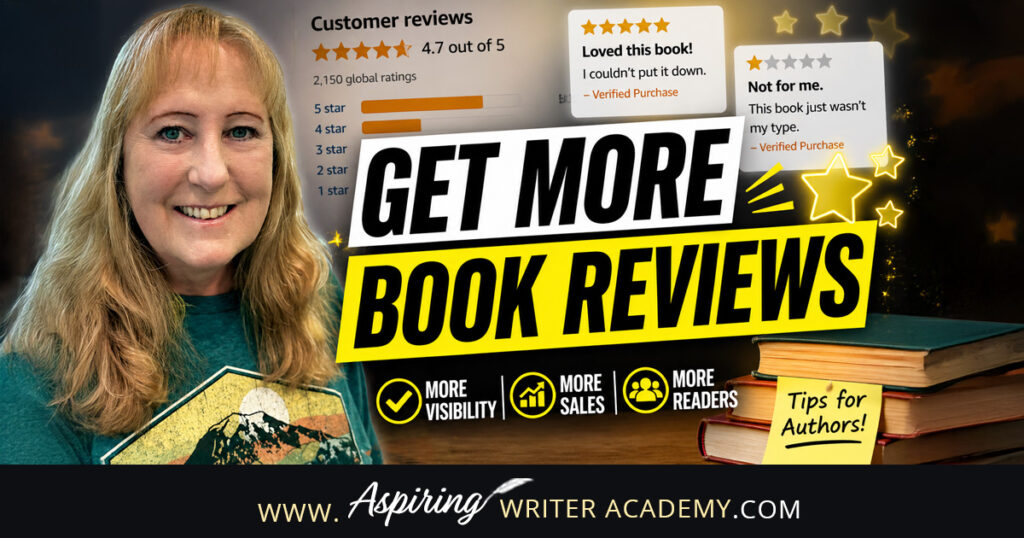
If you’re an author, book reviews aren’t just “nice to have”—they’re one of the most powerful tools you have to sell more books, grow your audience, and build credibility. In this post, we’re breaking down: Why book reviews matter How to get more reviews (even as a new author) How to handle negative reviews…
Read MoreHow to Write Act One (Opening Scenes of Your Novel)
If you’re stuck on how to start your novel, this guide to writing Act One will help. Discover how to craft engaging opening scenes, introduce your main character, build your story world, and create a compelling story question that keeps readers turning pages. A must-read for anyone serious about writing a strong first chapter.
Read MoreHow to Name Characters in Your Novel (5 Easy Tips + Free Templates)
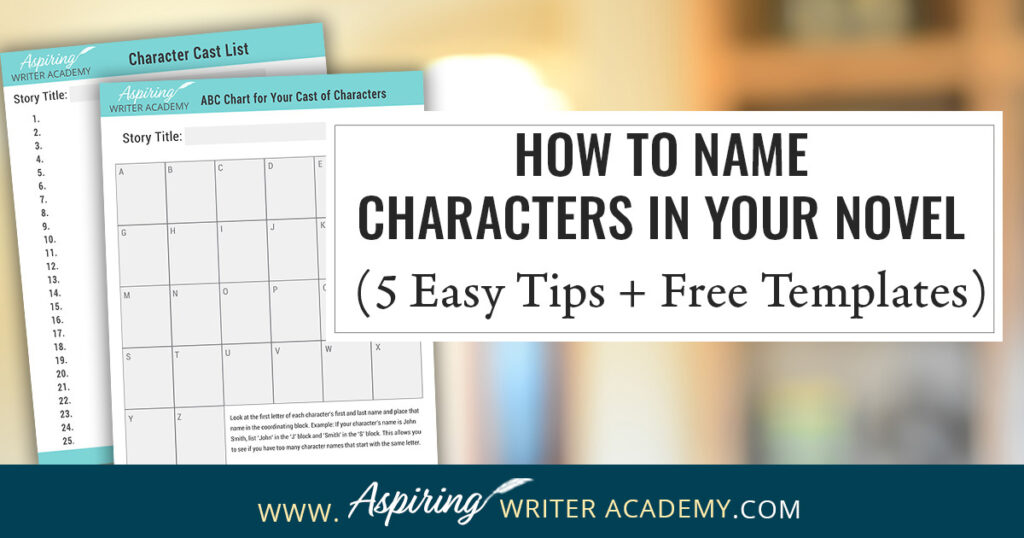
Choosing character names can feel surprisingly overwhelming when you’re writing a novel. You want names that fit your story, reflect personality, feel memorable, and don’t confuse your readers. A character’s name often becomes one of the first impressions readers have, so it’s worth taking a little extra time to get it right. The good news?…
Read MoreDarlene Panzera Author Journey: How I Became a Published Writer
Hello friends, I’m Darlene Panzera from Aspiring Writer Academy, and today I want to tell you a little about myself and my writing journey. I’ll take you behind the scenes and share how I began writing my first stories, the challenges I faced while continuing to write through life’s hardships, and how I finally became…
Read MoreStop Boring Your Readers: 12 Tips for Dialogue That Pops
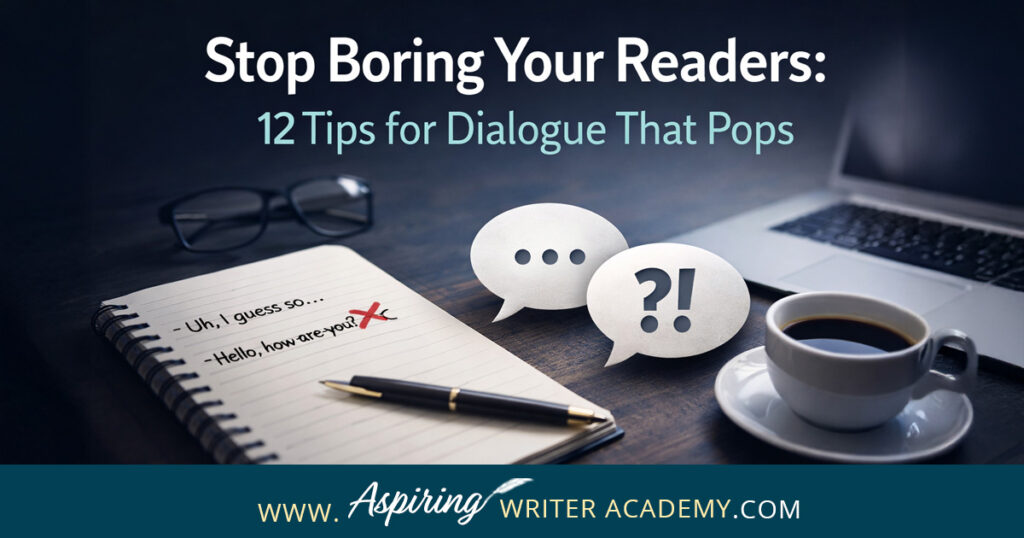
Dialogue can be one of the trickiest parts of writing fiction. It needs to feel natural, reveal character, and keep the plot moving—all while keeping readers engaged. Luckily, with a little practice and some key strategies, you can make your characters’ conversations shine. Here are 12 quick tips to help you write dialogue that pops.…
Read MoreStuck On Your Story? Try the “15 Things That Could Happen” Brainstorming Method
Have you ever been happily writing your story… and then suddenly hit a wall? You reach a scene where you don’t know what happens next.The momentum disappears.Indecision creeps in.And before long, anxiety starts whispering: What if I’ve written myself into a corner? If this sounds familiar — you’re not alone. Every fiction writer experiences this…
Read MoreBrainstorm Your Novel Fast (FREE Story Idea Worksheet for Writers)
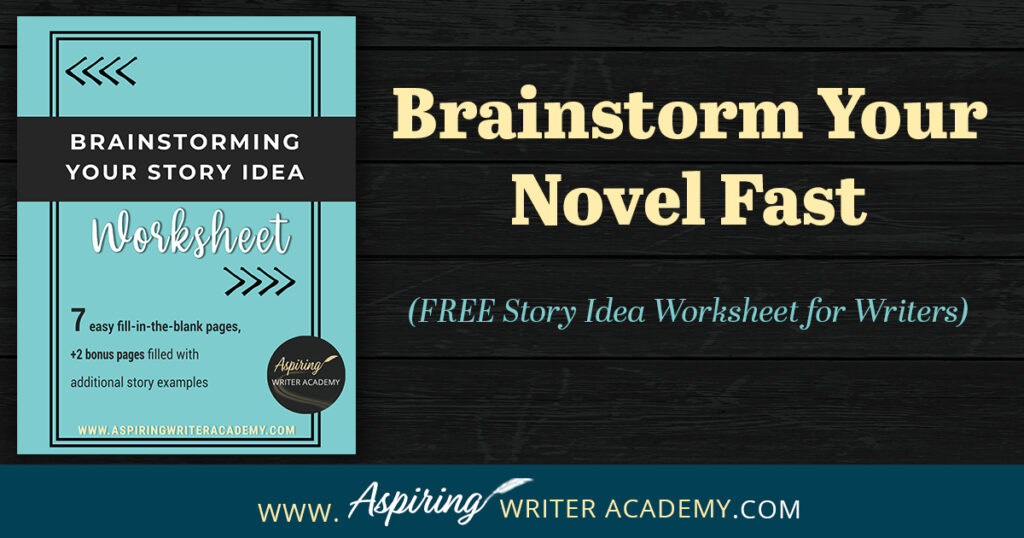
Have you ever had a story idea floating around in your head… but you weren’t sure how to turn it into an actual plot? Or maybe you want to write a book, but you feel stuck before you even start. Good news — brainstorming your story doesn’t have to be overwhelming. We created a FREE…
Read MoreHow to Balance Real-Life Events With Your Fiction Using a Story Timeline
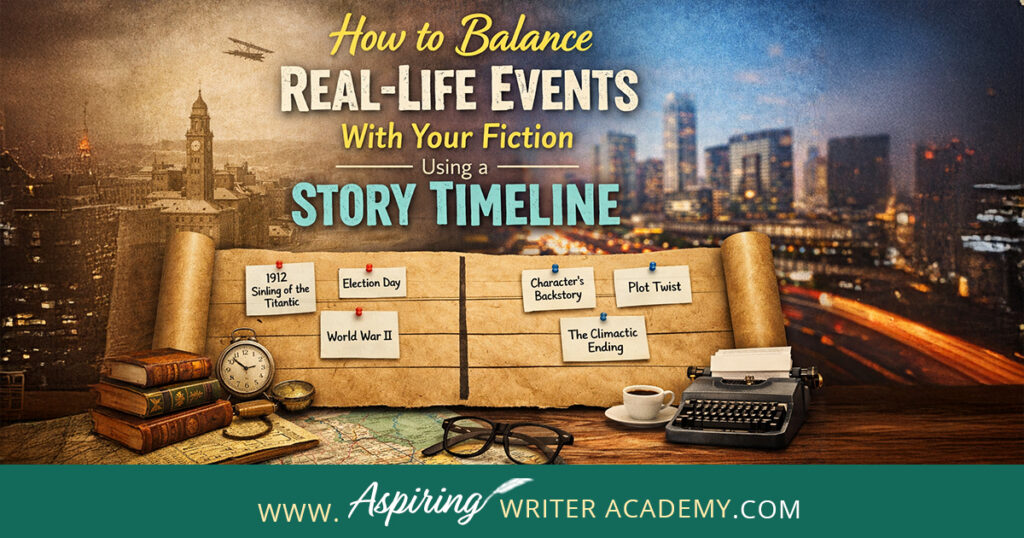
Have you ever been deep into writing your novel, only to pause and think, “Wait… didn’t this happen two weeks ago?” Or maybe a character seems out of place because something in the real world should have affected them, but it didn’t. You’re not alone — keeping your story consistent while weaving in real-world events…
Read MoreHow to Use a Story Collage to Brainstorm, Write, and Promote Your Book
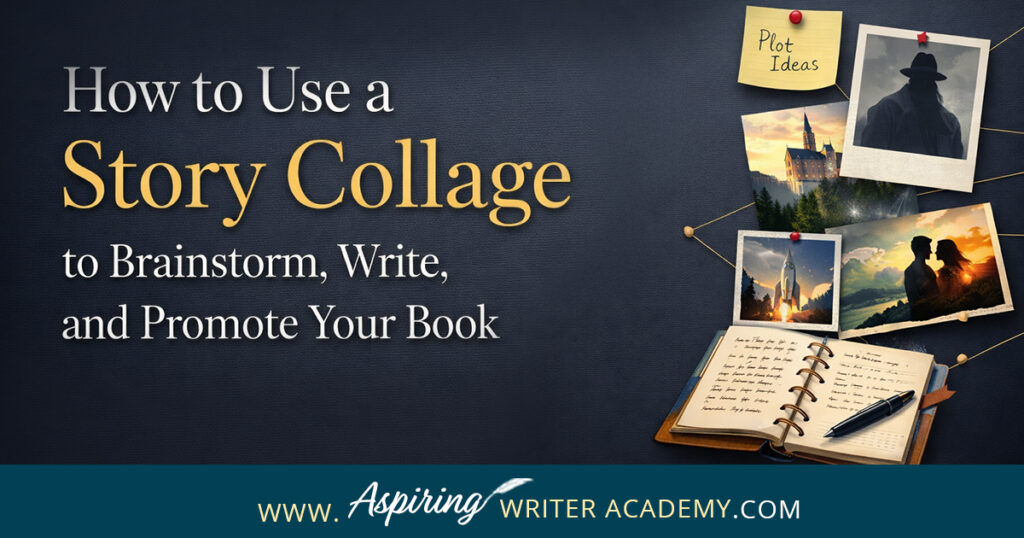
When you first start a new story, you don’t always have everything figured out—and that’s normal. Maybe you have a vague idea of a character, a single scene you can’t stop thinking about, or just a strong sense of place. What you don’t have yet is the full picture. That’s where a story collage comes…
Read MoreHow to Create a Plot Map for Your Fictional Story
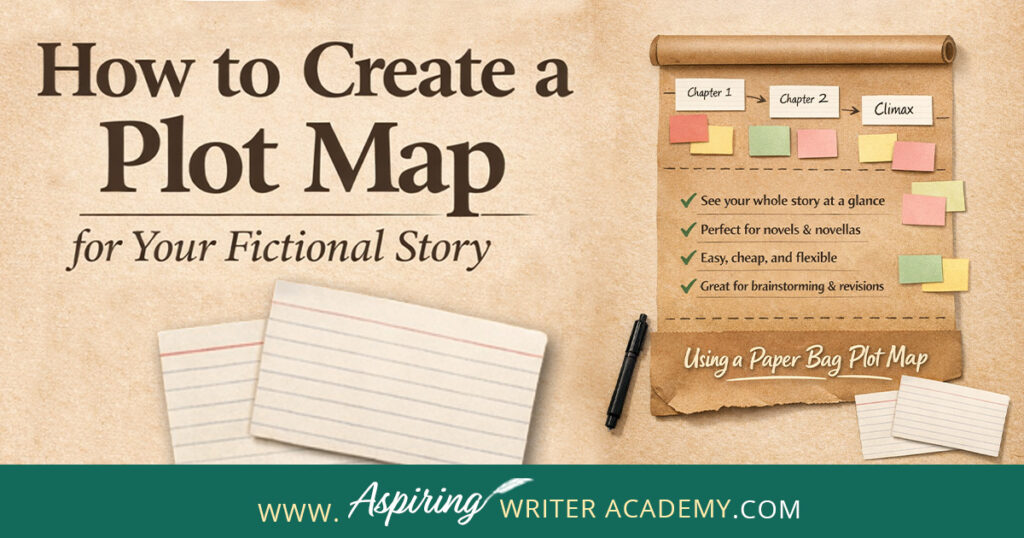
What is a plot map? While many writers brainstorm story ideas using connected bubbles or bullet lists, we’ll show you how to create a more dynamic plot map that offers a full visual outline of your story—using a simple paper bag! In How to Create a Plot Map for Your Fictional Story, we explore the…
Read MoreHow to Write a Scene Goal in Fiction Writing
How to Write a Scene Goal in Fiction Writing Writing a novel isn’t just about having a plot—it’s about understanding what your characters want and why. Every scene should bring your character closer to achieving their ultimate goal. One of the key tools professional writers use to do this is a scene goal, which helps…
Read MoreWhy Every Writer Should Go to a Writing Conference (and What to Expect!)
Ever wonder if attending a writing conference is really worth it? Author Darlene Panzera says absolutely — and after attending the Southwest Washington Writers Conference, she’s sharing exactly what to expect, what to pack, and how conferences can help launch your writing career. What to Pack for a Writing Conference Packing might sound simple, but…
Read MoreHow to Structure a Scene That Keeps Readers Hooked: Scene & Sequel
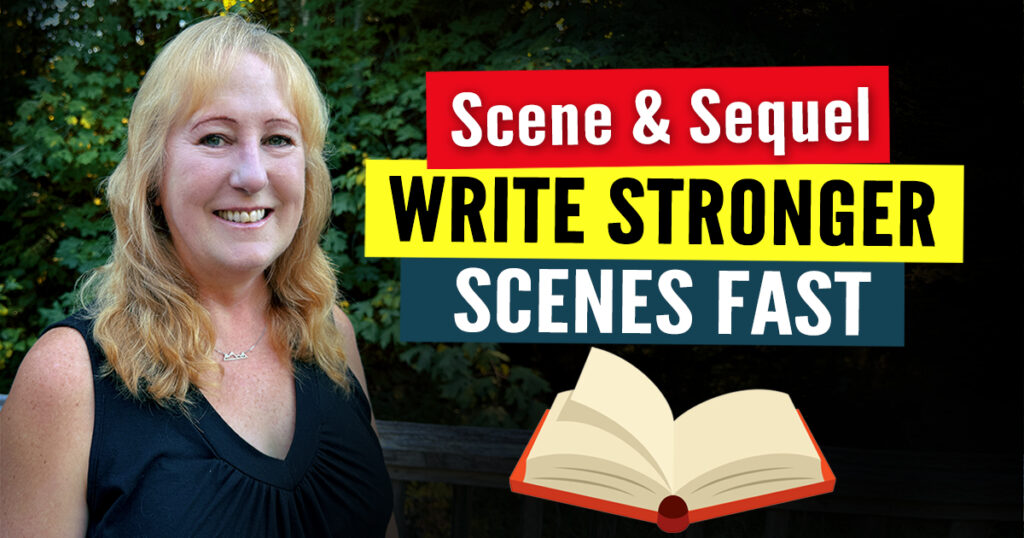
Ever wondered why some stories grab your attention and never let go, while others feel flat or aimless? The secret often lies in how each scene is structured — and how well it flows into the next. In this video, author Darlene Panzera (who’s written over 16 books, both traditionally and self-published) breaks down the…
Read MoreHow to Defend the Copyright of Your Fictional Novel

Looking to protect your rights as an author? Wondering if you should copyright your fiction novel and how to prevent others from stealing it? In How to Defend the Copyright of Your Fictional Novel, learn straightforward ways to protect your work from theft and piracy. Discover how to confidently defend your creative rights and keep…
Read MoreWhy Fiction Authors Need to Order Proof Copies Before Publishing
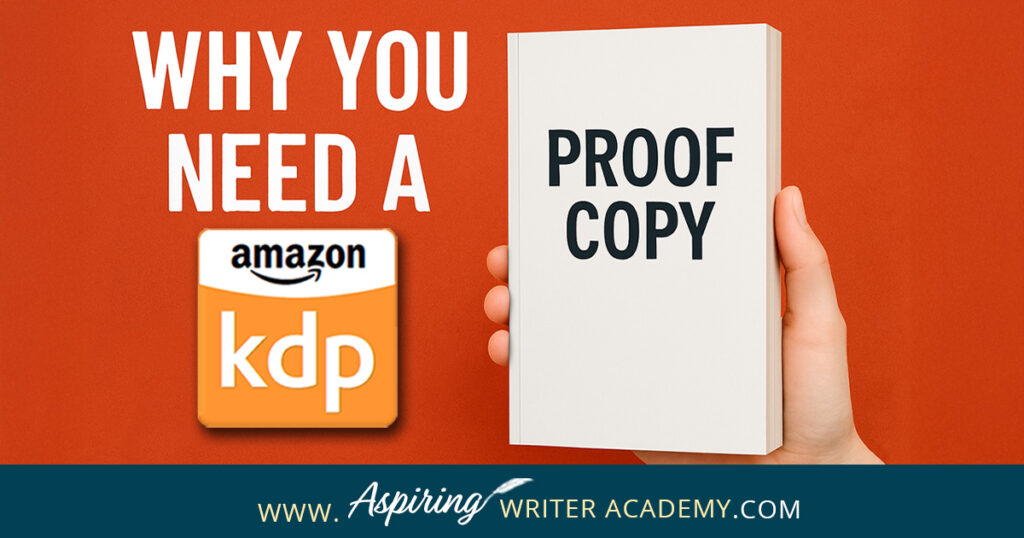
Before hitting ‘publish’ on Amazon, it’s crucial to review a proof copy of your self-published book. This sample helps you catch any issues with the cover or interior pages, ensuring everything looks perfect for your readers. In this post, Why Fiction Authors Need to Order Proof Copies Before Publishing, we’ll explore the essential checks to make…
Read MoreHow to Find Time to Write—Even with a Busy Schedule
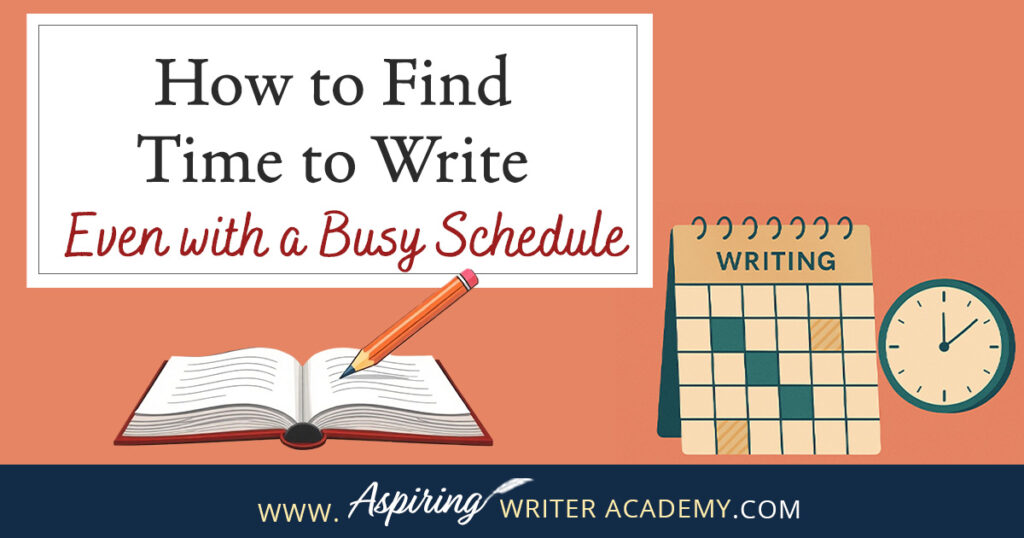
Let’s face it—finding time to write is one of the biggest challenges for writers. Life gets busy. There are always errands to run, kids to take care of, appointments to attend, and those unexpected things that pop up and throw your whole day off track. You might start your day with the best intentions: “Today,…
Read MoreWhy Writers Need a Clear Plan (Especially When Life Gets Busy)

Hi, I’m Darlene Panera from Aspiring Writer Academy, and if you’re anything like me, you’ve probably experienced those chaotic moments when life throws everything at you at once. Whether it’s coming back from a vacation, juggling appointments, or just trying to get back into your writing groove, having a clear plan can make all the…
Read MoreHow to Plot Your First Story with the Five W’s: Who? What? Why? When? and Where?
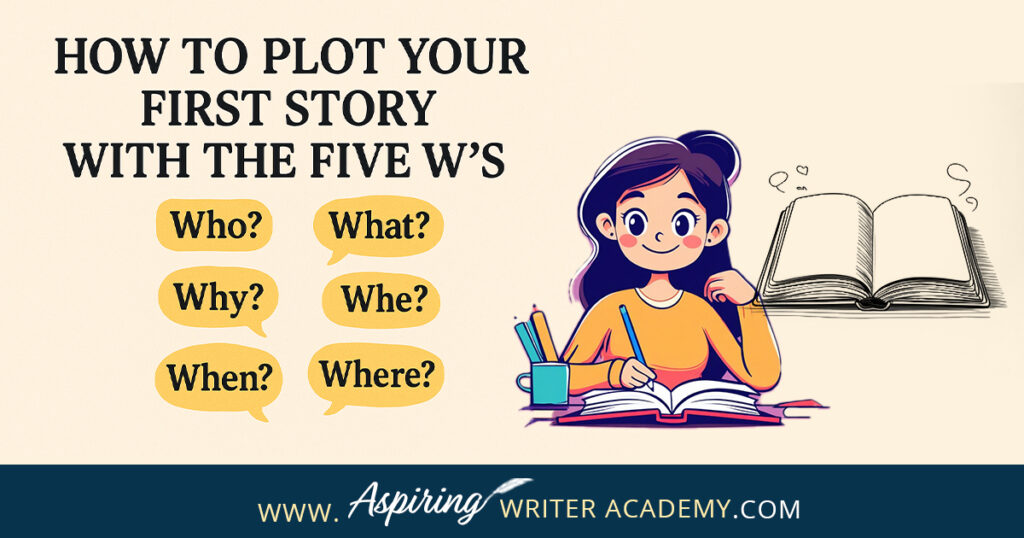
Ready to start writing your first story? Where do you begin? With a character? A setting? Or an exciting idea for a scene? What do you need to create a working outline? How to Plot Your First Story with the Five W’s: Who? What? Why? When? Where? shows you how asking these key questions can…
Read MoreHow to Make Subtext Work in Your Fiction
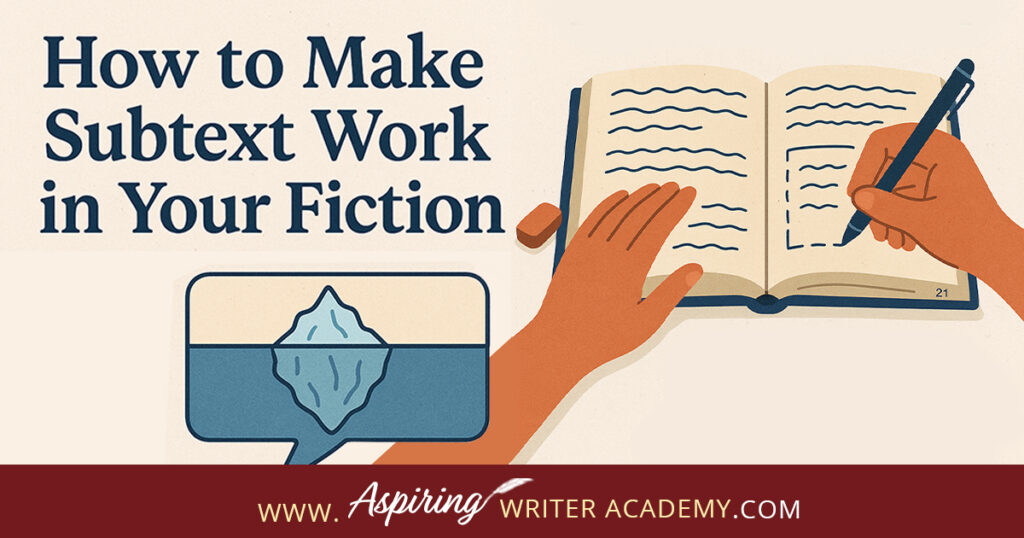
Subtext is the hidden meaning behind the words in your story. It helps you express feelings, conflicts, and desires without saying them outright, encouraging readers to look deeper. You can create tension with subtle dialogue and moments where silence speaks volumes.
In How to Make Subtext Work in Your Fiction, you’ll learn how to use subtext effectively to highlight your characters’ true emotions over what they say, making your story richer and more engaging.
Read More3 Tips: How to Switch Point-of-View When Writing Fiction
Have you heard the phrase “no head-hopping?” What does it really mean? Keeping your character’s point-of-view (POV) clear and consistent is key to making your story easy to follow. Plus, when you want to switch from one character’s perspective to another, it’s important to do it right! In 3 Tips: How to Switch Point-of-View When…
Read More10 Helpful Tips for Novelists to Write Better Fiction
Are you starting to write your first novel or thinking about publishing one? Our 10 Helpful Tips for Novelists to Write Better Fiction cheat-sheet can help you along the way. With advice on creating scenes, choosing the right words, and managing your time, these tips cover key aspects of writing that will improve your story. Whether you’re new to writing or looking for some fresh ideas, these tips will steer you in the right direction as you work toward your publishing goals!
Read More3 Steps: How to Create Fictional Characters with More Depth
Are you struggling to craft fictional characters that truly captivate your readers? Do some of your characters come across as “flat” or ordinary? How do you decide on their daily habits or explore their backstory? In what ways do other characters shape your protagonist’s growth?
In 3 Steps: How to Create Fictional Characters with More Depth, we help you go deeper into your characters’ development, background, timeline, and family history, so you can bring them to life in your fictional novel.
Read More