
Stop Boring Your Readers: 12 Tips for Dialogue That Pops
















Dialogue can be one of the trickiest parts of writing fiction. It needs to feel natural, reveal character, and keep the plot moving—all while keeping readers engaged. Luckily, with a little practice and some key strategies, you can make your characters’ conversations shine. Here are 12 quick tips to help you write dialogue that pops.

1. Keep It Simple
In most contemporary fiction, simple is better. Avoid flowery language, over-the-top slang, or complicated sentences. Use standard dialogue tags like he said and she said—too many flashy tags like he bellowed or she shrieked can distract the reader. Focus on clarity, not flair.
2. Make Dialogue Serve a Purpose
Every line should have a goal. Ask yourself: what does this character want from the conversation? Does it reveal character, move the plot forward, or create tension? Avoid idle chit-chat or info dumps—your readers want dialogue that matters.
3. Use Stimulus and Response
Real conversations have give and take. When one character asks a question, the other should respond. When one makes a comment, the other reacts. Avoid having a character jump to a new topic mid-conversation unless it’s intentional.
4. Delete “On-the-Nose” Dialogue
Readers hate obvious dialogue. Instead of having a character state exactly what they see or feel, add subtlety, humor, or sarcasm. For example, instead of “Lucy, you look terrible”, try “Wow, Lucy, you look like a million bucks!”—it’s unexpected, fun, and shows character.
5. Use Subtext
Dialogue can work on two levels: what’s said and what’s unsaid. A couple arguing over ketchup might actually be venting about bigger relationship issues. Subtext adds depth and keeps readers engaged by letting them read between the lines.
6. Consider Gender and Personality Differences
Men and women, adults and children—they all speak differently. Women may express more emotion and ask questions; men may be more factual or solution-oriented. Tailor dialogue to match your character’s personality, background, and age.
7. Match Dialogue to Age and Background
A five-year-old talks differently than a teenager or an elder. Consider education, upbringing, and cultural context. This makes each character unique and authentic.
8. Differentiate Each Character’s Voice
No two characters should sound the same. Give them distinctive speech patterns, favorite phrases, or quirks. A shrill tone, a clipped style, or even habitual interruptions can make characters memorable.
9. Cut Repetition
Repetitive words, phrases, or dialogue can bog down a scene. Watch for overused names, “it,” or unnecessary sentences. Streamlining your dialogue keeps it crisp and engaging.
10. Mind Your Punctuation
Check exclamation points, ellipses, and question marks. Use them sparingly and correctly. Avoid capitalizing entire words for emphasis—strong word choice often works better than shouting in text.
11. Make Dialogue Stand Out
Don’t bury dialogue in heavy narrative or too many tags. Place it strategically at the beginning or end of paragraphs and break up long blocks with action or description. This keeps pacing tight and tension high.
12. Read Dialogue Out Loud
Reading aloud reveals awkward phrasing, unnatural rhythms, or confusing lines. It helps ensure dialogue sounds realistic but still polished. You’ll catch issues you might miss on the page, from tongue twisters to overlapping names.
Dialogue is one of the most powerful tools in a writer’s toolbox. By keeping it purposeful, unique, and full of subtext, you can engage readers, reveal character, and make your story unforgettable.
We Believe All Authors Can Aspire to Take Their Writing to the Next Level!
Our Goal for Aspiring Writer Academy is to help people learn how to write quality fiction, teach them to publish and promote their work, and to give them the necessary tools to pursue a writing career.
Before You Go… Grab This Free Resource!
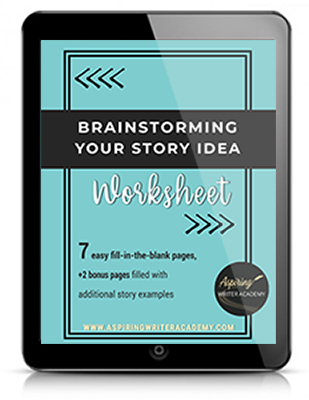
If you’re in the early stages of writing your novel, don’t forget to download our free Brainstorming Your Story Idea Worksheet. It includes:
-
Fill-in-the-blank prompts
-
Story structure examples
-
Guided questions
-
Idea-boosting templates
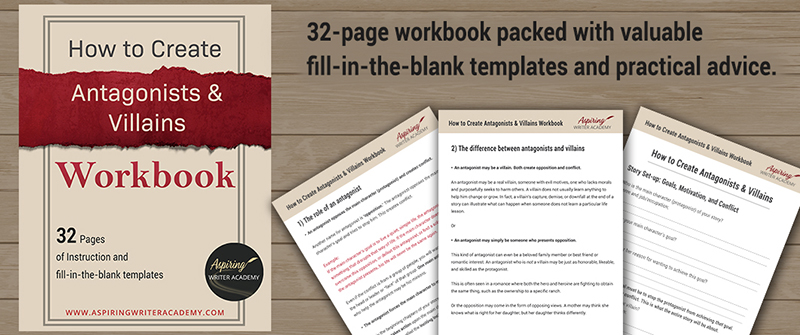
Do you find it difficult to create compelling antagonists and villains for your stories? Do your villains feel cartoonish and unbelievable? Do they lack motivation or a specific game plan? Discover the secrets to crafting villains that will stick with your readers long after they finish your story, with our How to Create Antagonists & Villains Workbook.
This 32-page instructional workbook is packed with valuable fill-in-the-blank templates and practical advice to help you create memorable and effective antagonists and villains. Whether you're a seasoned writer or just starting out, this workbook will take your writing to the next level.
Other Posts You May Like: