Bleed vs. No Bleed in Amazon KDP | Book Formatting Explained for Authors
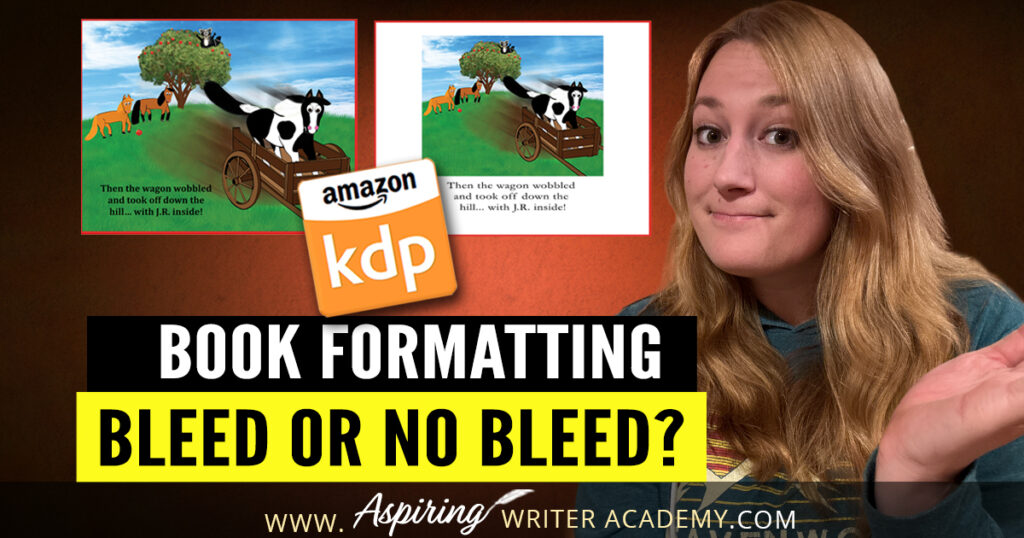
If you’re self-publishing on Amazon KDP, you’ve probably run into the question: Should I choose bleed or no bleed when uploading my book?
This is one of those little details that can cause big formatting issues if you don’t select the right option. Don’t worry—I’ll break it down simply so you can choose confidently and avoid weird cutoffs or wonky margins in your printed book.
 You can also watch my full video on YouTube for a step-by-step explanation: https://youtu.be/FKO-6rUPUPE?si=9B5J-OBdiwyyC7uS

What Does “Bleed” Mean in Book Printing?
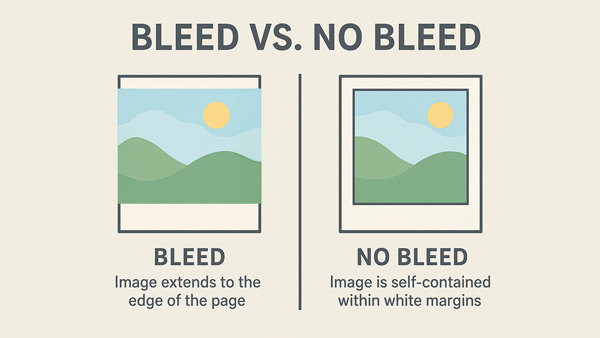
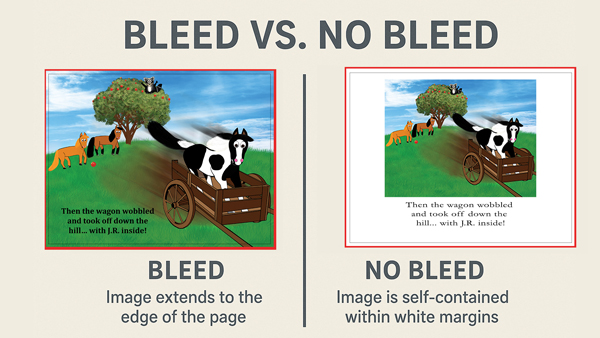
In printing, bleed means that images or design elements extend all the way to the edge of the page.
-
Bleed: Artwork, backgrounds, or images go right to the edge, with no white border.
-
No Bleed: Images or text are contained within the page, leaving a white margin around them.
Why does this matter? When books are trimmed during printing, there’s always a tiny shift in where the cut happens. Bleed ensures that your artwork still looks clean and professional—even if the trim is slightly off. Without bleed, parts of your design might get cut awkwardly, or you might end up with a sliver of unexpected white space.
When to Choose Bleed vs. No Bleed
Here’s a quick rule of thumb:
-
 Choose Bleed if your images or backgrounds extend to the very edge of the page.
-
Common in children’s books, graphic-heavy books, or any design where color goes all the way across.
-
-
Choose No Bleed if all your content stays within a margin and nothing touches the edges.
-
Common in novels, text-heavy nonfiction, or books with simple layouts.
-
Examples
-
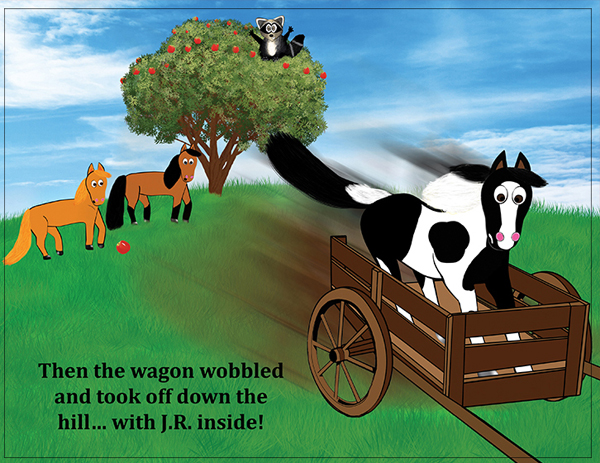
Children’s Picture Book → Almost always bleed, since illustrations usually fill the page.
-
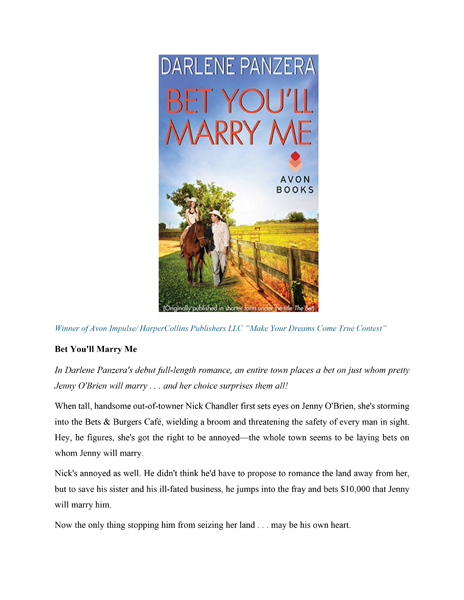
Fiction Novel → Typically no bleed, since it’s mostly text with margins.
-
Cookbook or Workbook → Depends! If you have full-page photos or background colors, go with bleed. If everything is framed with whitespace, choose no bleed.
Example of Full Bleed Image in a Children's Book
Example of a Graphic in a Fiction Novel
Why This Matters for Self-Publishing Authors
If you accidentally choose the wrong option when uploading to KDP:
-
Your formatting could look off.
-
Text or images might appear cut off or uneven.
-
The finished book might not look professional.
Taking a minute to understand bleed vs. no bleed will save you from re-uploading files or worse—ordering proof copies that don’t look the way you imagined.
Final Thoughts
Most text-only books use no bleed, while most image-heavy books (especially children’s books) use bleed. Think about how your book should look in print and choose the option that fits your design.
I hope this clears up the confusion about bleed vs. no bleed in Amazon KDP!
Got questions about book formatting or self-publishing? Drop them in the comments—I’d love to help.
And if you found this helpful, be sure to subscribe to my YouTube channel, Aspiring Writer Academy for more tutorials on writing, publishing, and marketing your book.
Other Posts You May Like:
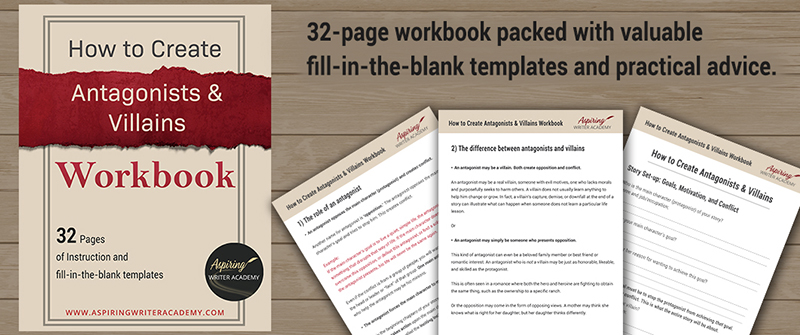
Do you find it difficult to create compelling antagonists and villains for your stories? Do your villains feel cartoonish and unbelievable? Do they lack motivation or a specific game plan? Discover the secrets to crafting villains that will stick with your readers long after they finish your story, with our How to Create Antagonists & Villains Workbook.
This 32-page instructional workbook is packed with valuable fill-in-the-blank templates and practical advice to help you create memorable and effective antagonists and villains. Whether you're a seasoned writer or just starting out, this workbook will take your writing to the next level.
We Believe All Authors Can Aspire to Take Their Writing to the Next Level!
Our Goal for Aspiring Writer Academy is to help people learn how to write quality fiction, teach them to publish and promote their work, and to give them the necessary tools to pursue a writing career.
ENTER YOUR EMAIL BELOW
TO GET YOUR FREE
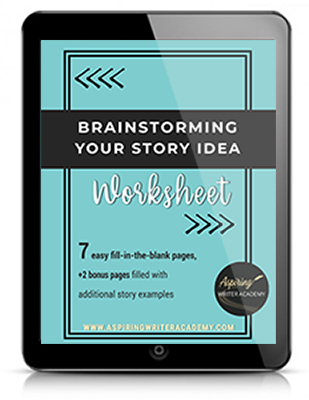
"Brainstorming Your Story Idea Worksheet"
7 easy fill-in-the-blank pages,
+ 2 bonus pages filled with additional story examples.
A valuable tool to develop story plots again and again.