Why Every Writer Should Go to a Writing Conference (and What to Expect!)
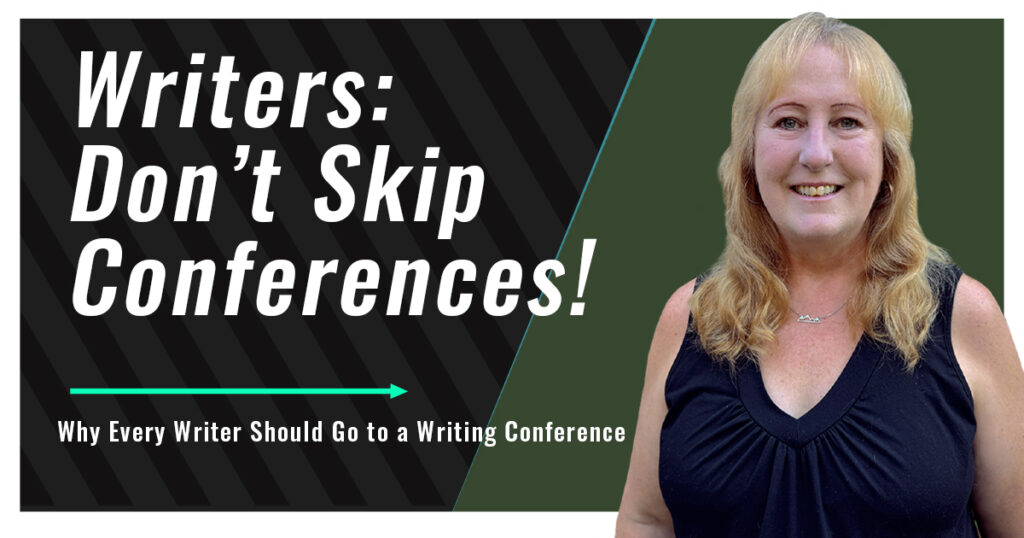
Ever wonder if attending a writing conference is really worth it?
Author Darlene Panzera says absolutely — and after attending the Southwest Washington Writers Conference, she’s sharing exactly what to expect, what to pack, and how conferences can help launch your writing career.

What to Pack for a Writing Conference
Packing might sound simple, but a little strategy can make your conference experience way more comfortable.
Here are Darlene’s top essentials:
- Comfy shoes: You’ll be walking between classes and events all day, so skip the heels and go for comfort. Otherwise, you’ll be wearing Band-Aids before the weekend is over.
- Layered outfits: Conference rooms can be unpredictable—too cold one minute, too warm the next. Layers are key.
- Mix-and-match clothes: Pack pieces that go together so you can reuse items and still look put-together.
- Snacks: Even though most conference food is great, you never know when you’ll get hungry late at night. A stash of snacks in your room is always a win.
- Notebook and pen: You’ll be taking a lot of notes. Bring extras!
- Business cards: Even if you’re not published yet, having a simple card with your name, photo, email, and website or social media handle helps people remember you.
How Writing Conferences Work
When you register for a conference, you’ll usually get a schedule packed with classes, panels, and keynotes.
At any given hour, there might be three to five different sessions happening at once—so you’ll have to choose! Over two days, you could easily attend 8–10 classes on everything from writing craft and editing to marketing and publishing.
Some conferences also offer:
- Master classes for in-depth training
- Pitch sessions with editors and agents
- Book signings and author meet-and-greets
- Networking mixers or even raffle baskets for a little fun
Why Networking Matters So Much
Sure, you’ll learn a ton in the workshops—but the real magic happens in the hallways and at lunch tables.
Networking is one of the biggest benefits of an in-person conference. You’ll meet editors, agents, other authors, and aspiring writers just like you. Many lifelong friendships and critique partnerships start at conferences!
Even bestselling authors keep going to conferences because it keeps them connected, inspired, and up to date on the publishing industry.
Be Ready to Pitch Your Story
If you’re meeting with an agent or editor, make sure you have your one-line pitch ready—also called an elevator pitch.
This is a short, 30-second summary that captures what your story is about and makes them want to hear more.
Don’t stress if your first pitch doesn’t lead to a book deal. Darlene shared how she was rejected at her very first conference… but years later, that same publisher and agent ended up helping her publish the exact same story! You never know where a connection might lead.
The Difference Between In-Person and Online Conferences
Nothing beats the energy of an in-person conference—the conversations, the chance encounters, the creative buzz. But if travel or cost makes it impossible right now, online conferences are still a fantastic option.
Many virtual events include live classes, breakout rooms, and even virtual pitch sessions through Zoom. You’ll still learn a ton and make valuable connections.
Keep Learning Between Conferences
Even after the event is over, keep the momentum going! Check out books on the craft of writing—your local library probably has a whole section dedicated to it. Read about character development, dialogue, plot, and story structure. The more you learn, the stronger your writing will become.
Final Thoughts
Writing conferences are one of the best ways to grow as a writer, connect with others, and take your writing career to the next level. Whether you’re attending in person or online, every class, conversation, and connection is a step forward on your writing journey.
So grab your comfy shoes, your business cards, and your notebook—and get ready to be inspired!
Watch the full video:  https://youtu.be/NzVnDI_0BLc?si=bJYD46Jwh-x7frnT
If you enjoyed this post, be sure to subscribe to Aspiring Writer Academy for more tips, author interviews, and behind-the-scenes writing advice!
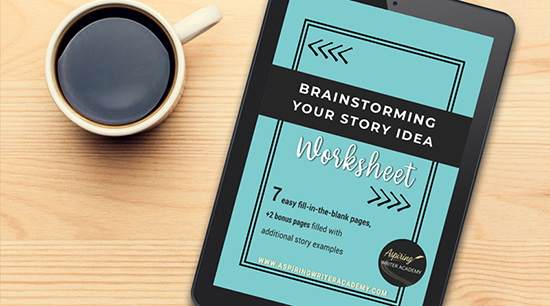
If you like more help developing your story, you may wish to download our Free Brainstorming Your Story Idea Worksheet
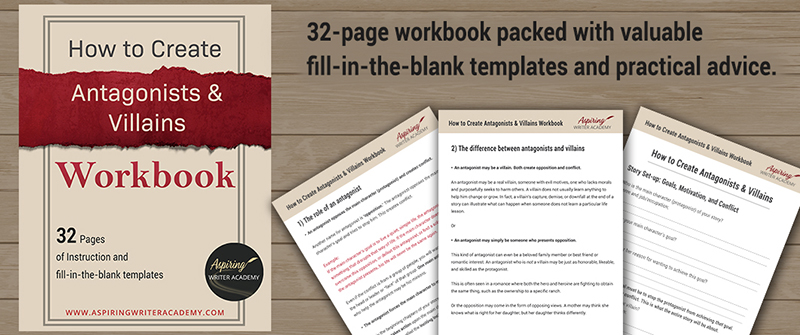
Do you find it difficult to create compelling antagonists and villains for your stories? Do your villains feel cartoonish and unbelievable? Do they lack motivation or a specific game plan? Discover the secrets to crafting villains that will stick with your readers long after they finish your story, with our How to Create Antagonists & Villains Workbook.
This 32-page instructional workbook is packed with valuable fill-in-the-blank templates and practical advice to help you create memorable and effective antagonists and villains. Whether you're a seasoned writer or just starting out, this workbook will take your writing to the next level.
Other Posts You May Like:





We Believe All Authors Can Aspire to Take Their Writing to the Next Level!
Our Goal for Aspiring Writer Academy is to help people learn how to write quality fiction, teach them to publish and promote their work, and to give them the necessary tools to pursue a writing career.
ENTER YOUR EMAIL BELOW
TO GET YOUR FREE
"Brainstorming Your Story Idea Worksheet"
7 easy fill-in-the-blank pages,
+ 2 bonus pages filled with additional story examples.
A valuable tool to develop story plots again and again.
Other Blog Posts You May Like
Scene & Sequel: The Secret to Plotting an Epic Novel
Scene & Sequel: The Secret to Plotting an Epic Novel (Part 2)
Writing Fiction: How to Develop Your Story Premise
12 Quick Tips to Write Dazzling Dialogue
10 Questions to Ask When Creating Characters for Your Story
Macro Edits: Looking at Your Story as a Whole
Basic Story Structure: How to Plot in 6 Steps
Writing Fiction: How To Keep Track of Time in Your Story
Behind the Scenes: Interview with the Authors of the “Sew in Love” Collection