Why Book Reviews Matter (and How to Get More for Your Book)
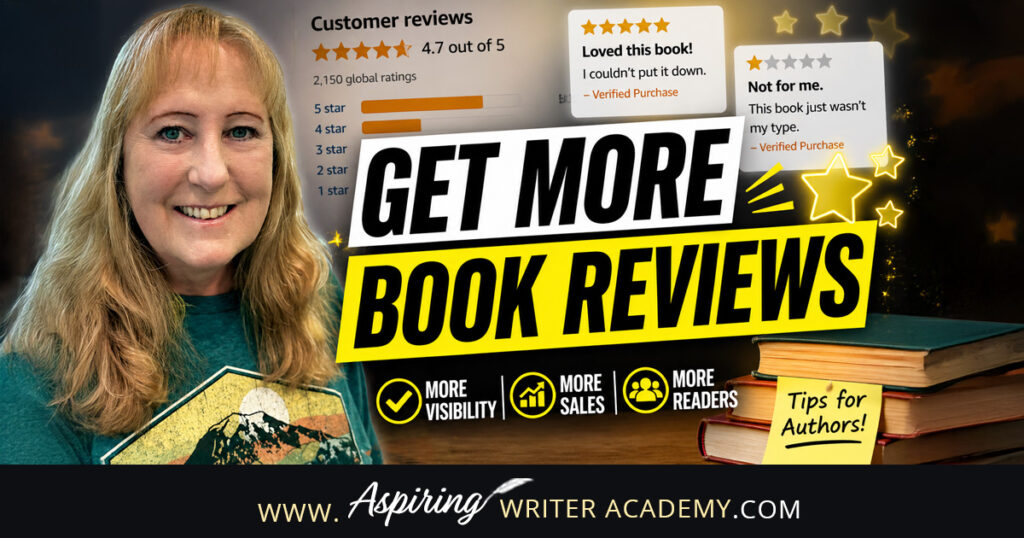
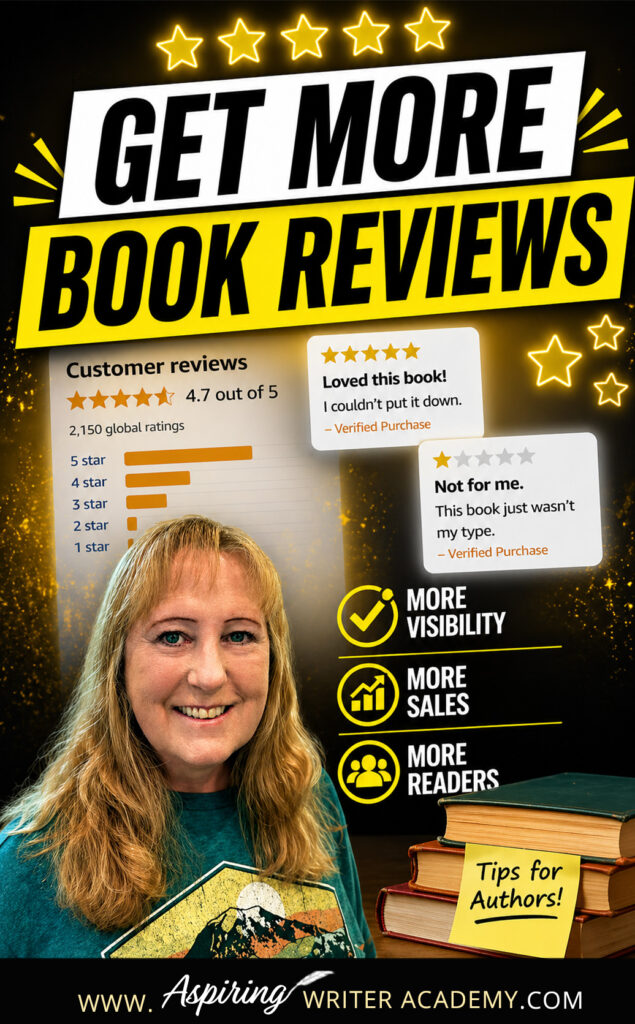
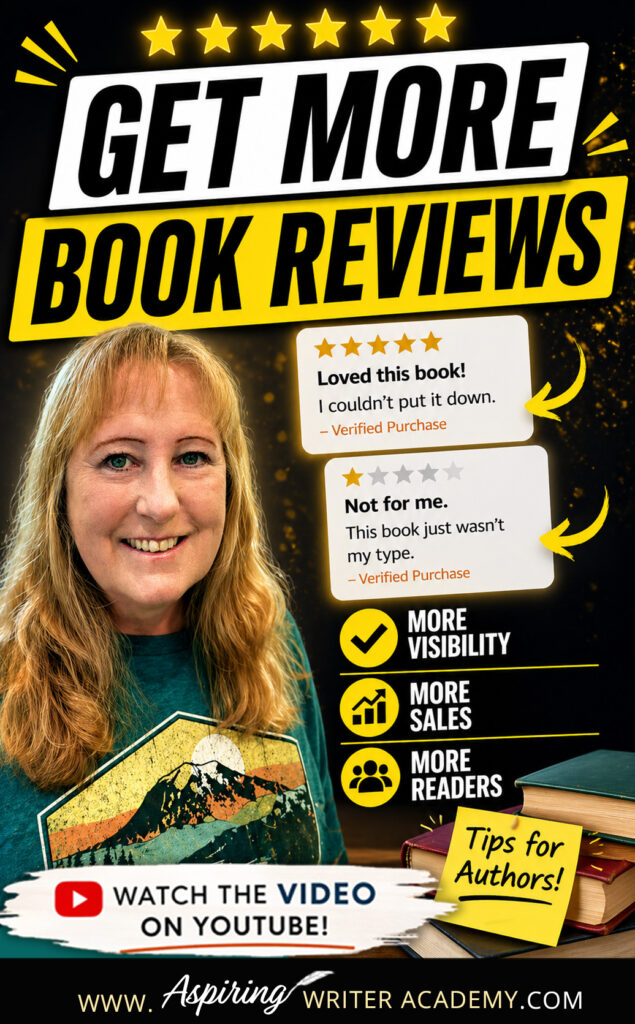
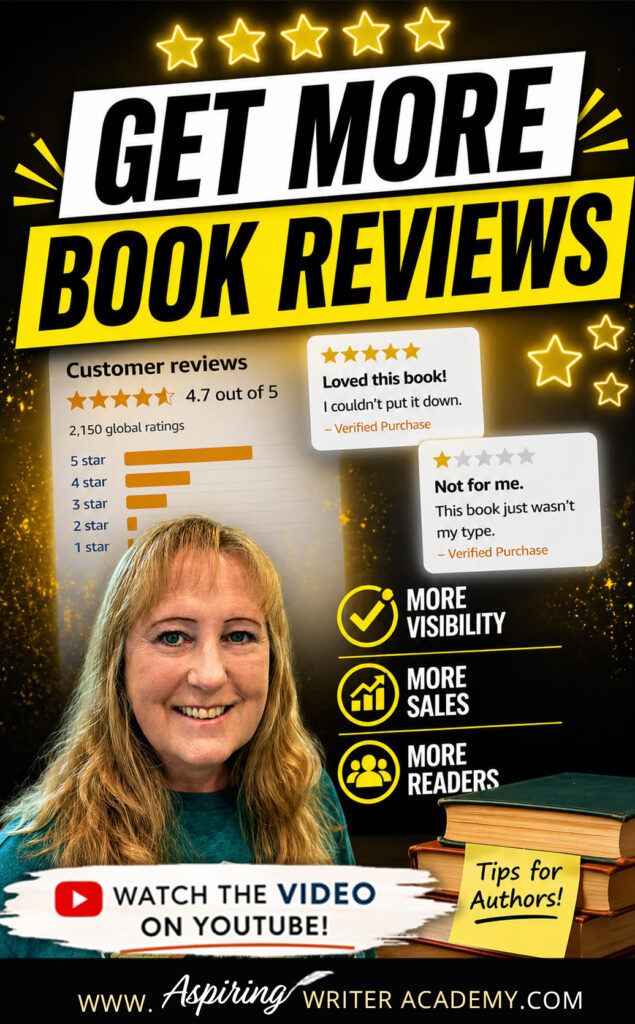
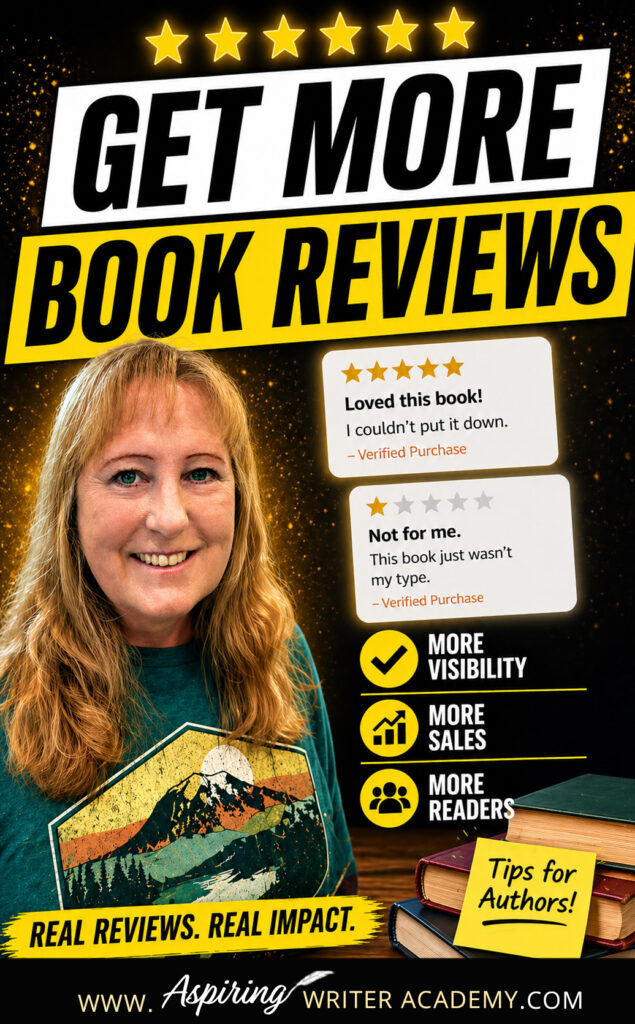
If you’re an author, book reviews aren’t just “nice to have”—they’re one of the most powerful tools you have to sell more books, grow your audience, and build credibility.
In this post, we’re breaking down:
- Why book reviews matter
- How to get more reviews (even as a new author)
- How to handle negative reviews without spiraling
Let’s jump in.
🎥 Watch the Full Video
Why Book Reviews Matter
1. Reviews Help Readers Decide to Buy
When a potential reader lands on your book page, one of the first things they look at is your reviews.
Think about it—would you rather buy a book with:
- 2 reviews… or
- 150 reviews with a solid 4.5-star rating?
Reviews act as social proof. They show that real people have read your book and found it worth their time.
2. Reviews Boost Your Visibility
On platforms like Amazon, reviews play a role in how your book is promoted.
When your book gets:
- Consistent sales
- A steady flow of reviews
…it can start showing up in:
- “Customers also bought” sections
- Category rankings (like Top 100 in your genre)
- Marketing emails and recommendations
More visibility = more readers = more sales.
3. Reviews Build Credibility as an Author
Strong reviews can be used everywhere:
- Your website
- Social media
- Bookmarks and promo materials
- Inside your book (front or back matter)
You can even include early endorsements from other authors to instantly boost trust.
How to Get More Book Reviews
If you’re new, this part can feel overwhelming—but it doesn’t have to be.
1. Ask Your Readers (Yes, Really)
One of the easiest and most overlooked strategies:
 Add a page at the back of your book asking for a review.
Make it simple:
- Thank them for reading
- Ask for an honest review
- Include a direct link or QR code to your review page
Most readers just need a reminder.
2. Build an Email List Early
Your email list is your most valuable asset when it comes to getting reviews.
Why?
Because these are your loyal readers—the ones most likely to:
- Buy your book
- Read it quickly
- Leave a review
The bigger your list, the more reviews you can generate—especially at launch.
3. Start Before Your Book Launch
Don’t wait until release day to think about reviews.
Instead:
- Build hype months in advance
- Recruit early readers
- Send out advance copies (ARCs)
This helps you launch with reviews already in place.
4. Use ARC (Advanced Reader Copy) Services
There are platforms where you can list your book and get early reviewers, such as:
- BookSirens
- NetGalley
- BookSprout
These readers download your book and leave honest reviews.
You can often screen applicants to find reviewers who match your genre.
5. Reach Out to Bloggers & Podcasters
Book bloggers, influencers, and podcasters already have an audience of readers.
You can:
- Request a review
- Do an author interview
- Write a guest post
This gets your book in front of new readers who may also leave reviews.
6. Run Giveaways
Giveaways are a great way to:
- Boost visibility
- Get your book on readers’ “want to read” lists
- Encourage reviews
You can give away:
- Print copies
- eBooks
More exposure = more potential reviews.
7. Use Word of Mouth & Simple Promos
Don’t underestimate real-life connections.
You can:
- Share your book with people you meet
- Hand out bookmarks or business cards
- Include a short review quote on your materials
Every new reader is a potential reviewer.
Important Tip: Keep It Honest
Never ask for only 5-star reviews.
Encourage honest feedback and, if applicable, have reviewers mention:
“I received a free copy in exchange for an honest review.”
This builds trust with both readers and retailers.
How to Handle Negative Reviews
Let’s be honest—this is the part most authors struggle with.
1. Don’t Take It Personally
A negative review doesn’t mean your book is bad.
It could mean:
- The reader isn’t your target audience
- They didn’t like the genre or style
- It just wasn’t their taste
You can’t please everyone—and you’re not supposed to.
2. Never Respond or Argue
No matter how tempting it is… don’t engage.
Responding to negative reviews:
- Looks unprofessional
- Can turn readers away
- Often makes things worse
Let it go.
3. Look for Patterns (If They Exist)
One bad review? Ignore it.
But if multiple reviews mention the same issue (like pacing or weak characters), it might be worth paying attention.
Use it as a learning opportunity for your next book.
4. Remember: Even Negative Reviews Help
This might surprise you…
All reviews help your book.
Even low-star reviews:
- Increase engagement
- Signal activity to algorithms
- Can spark curiosity
Sometimes readers will even buy your book just to see what the controversy is about.
5. Develop Thick Skin (It’s Part of the Job)
Every author—yes, even bestselling ones—gets negative reviews and rejections.
It’s part of the journey.
The key is to:
- Keep writing
- Keep improving
- Keep going
Final Thoughts
Book reviews are one of the most powerful tools in your author career.
They:
- Help readers trust your book
- Increase your visibility
- Drive more sales over time
Focus on:
- Writing a great book
- Building your audience
- Making it easy for readers to leave reviews
And most importantly—don’t let a negative review stop you.
Keep writing. Keep learning. And keep going after your dream.
We Believe All Authors Can Aspire to Take Their Writing to the Next Level!
Our Goal for Aspiring Writer Academy is to help people learn how to write quality fiction, teach them to publish and promote their work, and to give them the necessary tools to pursue a writing career.
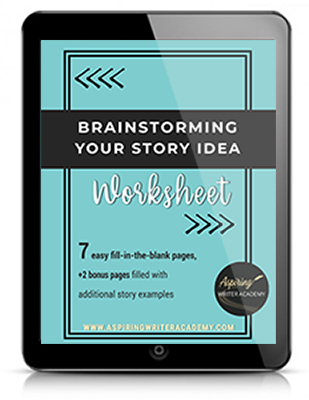
Before You Go… Grab This Free Resource!
If you’re in the early stages of writing your novel, don’t forget to download our free Brainstorming Your Story Idea Worksheet. It includes:
-
Fill-in-the-blank prompts
-
Story structure examples
-
Guided questions
-
Idea-boosting templates
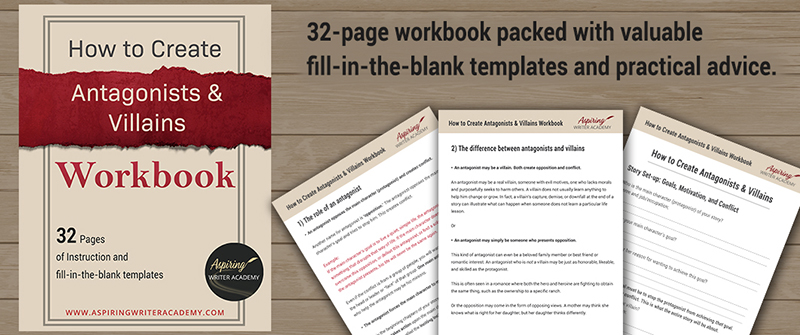
Do you find it difficult to create compelling antagonists and villains for your stories? Do your villains feel cartoonish and unbelievable? Do they lack motivation or a specific game plan? Discover the secrets to crafting villains that will stick with your readers long after they finish your story, with our How to Create Antagonists & Villains Workbook.
This 32-page instructional workbook is packed with valuable fill-in-the-blank templates and practical advice to help you create memorable and effective antagonists and villains. Whether you're a seasoned writer or just starting out, this workbook will take your writing to the next level.
Other Posts You May Like: