From Idea to Novella, the Inspiration Behind Writing, Golden Horizons | Author Chat with Darlene Panzera
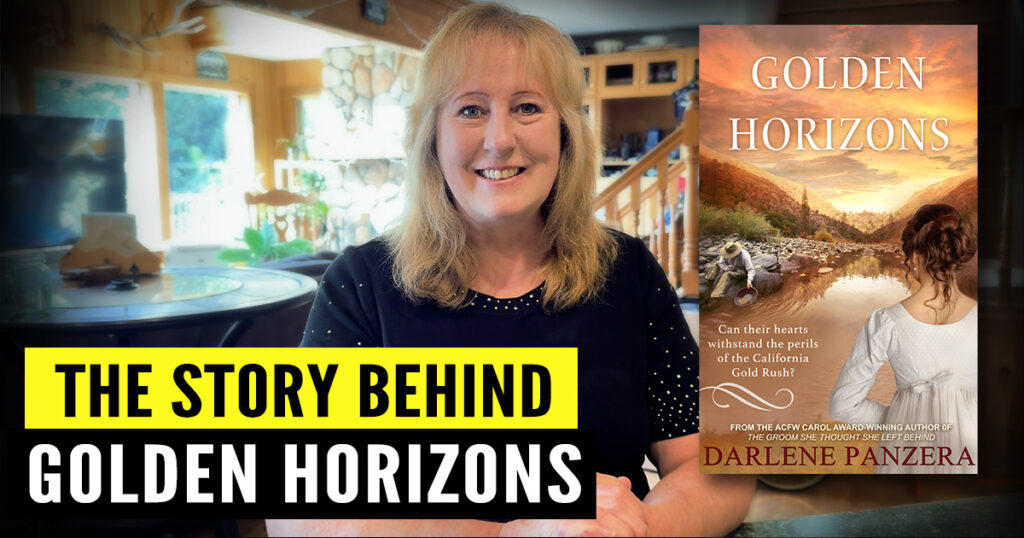
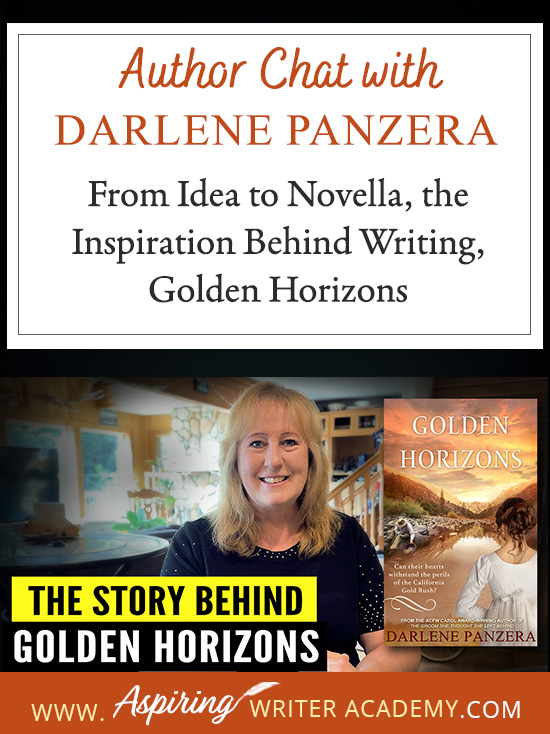
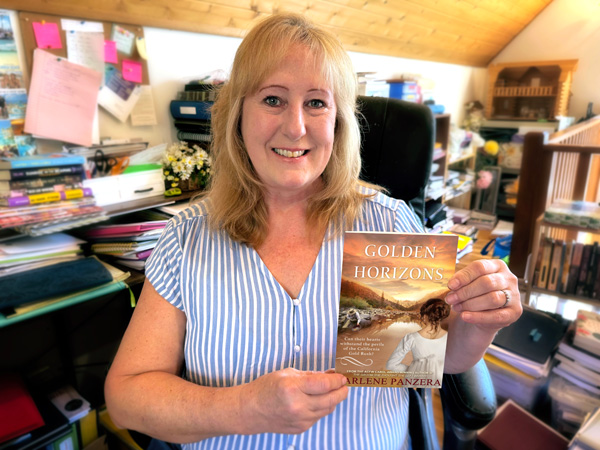
Go behind the scenes and learn how award-winning author, Darlene Panzera, developed her Christian historical romance novella, Golden Horizons—from initial spark to completed manuscript.
This post is especially for fellow writers and aspiring authors who want to see how a published novella comes together. We’ll cover idea development, collaborative proposals, character building, historical research, adding romantic tension, and weaving in spiritual themes—all key ingredients that brought Golden Horizons to life.

Introduction
Hi, I’m Darlene Panzera, an author of Sweet Contemporary and Christian Historical Romance. Today, I want to walk you through my writing process for Golden Horizons, which was originally published in the Sew in Love novella collection by Barbour Publishing (under the title Hearts Sewn with Love), and now released as a revised standalone edition.
This post is meant to encourage and teach other writers. Whether you're drafting your first novella or refining your tenth, I hope sharing my journey gives you insight and inspiration for your own creative work.
The Initial Idea & Collaborative Publishing
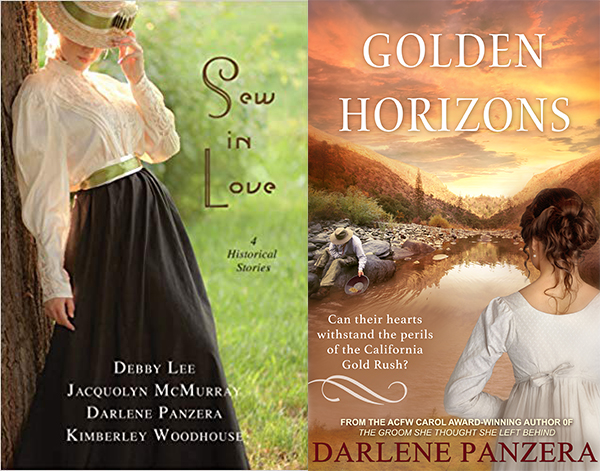
Golden Horizons began when a writer friend invited me to join a group project proposing a collection of novellas to a publisher. Each author would write about a seamstress in a Christian historical setting, with stories spanning different U.S. regions and time periods between 1850 and 1920.
This was a great example of author collaboration. We shared a unifying theme but wrote separate stories. The joint proposal was accepted by Barbour Publishing, and Sew in Love was published in December 2019. I recommend opportunities like these to writers looking to break into traditional publishing—group proposals can be a great foot in the door.
Available At: Amazon | Barnes & Noble | Kobo | Apple Books | Indiebound
From Anthology to Standalone
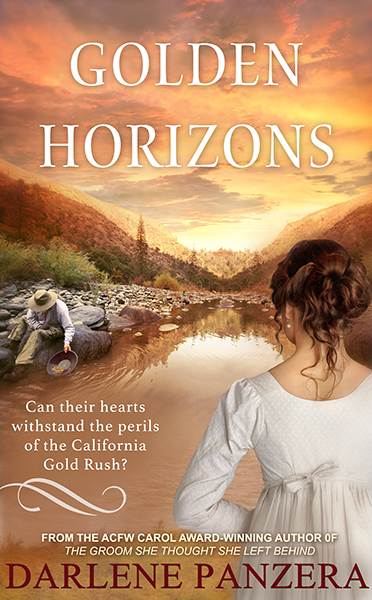
In June 2025, I had the chance to release Golden Horizons as a standalone novella. That meant a new cover and title. I changed the name from Hearts Sewn with Love to Golden Horizons—a title I felt better reflected the story’s setting, themes, and character arcs.
Sometimes giving a story a second life means reimagining how it's presented to readers.
Choosing a Setting with Purpose
While researching another book idea, I came across fascinating stories about the California Gold Rush—especially the roles women played. Out west, women had more economic opportunities than they did on the East Coast. Some started businesses, mended miners’ clothes, sold hand pies, or even made a fortune selling supplies. (Yes, the man who sold shovels got rich without ever touching gold.)
As a writer, I’m drawn to strong, brave female leads who change the course of their lives—and the lives of those around them. This setting allowed me to craft a story where my heroine wasn’t just surviving, she was building something meaningful.
Crafting Compelling Characters
My heroine, Maggie McDermott, is a seamstress with big dreams. My hero, Benjamin Freebie, is a gold miner with a vision to start a horse ranch—and he’s raising his orphaned nephew, too.
Because I personally love horses and wanted to include them in the story, I gave Ben this dream and worked in scenes that brought horses naturally into the plot. These elements weren’t just personal passions—they helped deepen the emotional layers of the characters and the story.
Pro tip for writers: Don’t be afraid to incorporate things you love into your stories. They often add authenticity and joy to your work.
Plotting with Conflict and Suspense
While the romance drives the story, I always like to add layers of conflict to raise the stakes. In Golden Horizons, a rival miner tries to sabotage both Maggie’s and Ben’s efforts. There’s mystery, danger, and sabotage, along with real historical hazards like mine collapses and workplace accidents.
Think of these elements as the “engine” that keeps your story moving forward—emotional conflict paired with physical risk adds dimension to any plot.
Developing the Romantic Arc
And of course this is a romance, so I love the fact that in 1850, the sight of a decent, single, pretty young lady was more rare than the elusive gold. When my heroine Maggie McDermott enters the gold panning camp, the men stumble over themselves asking for her hand in marriage. But the one man she hopes will propose is the one man who won't.
Ben believes he needs to prove himself financially before proposing. This tension between practical goals and emotional vulnerability gave the romance depth.
When you're writing romance, don’t be afraid to explore the "why not now?" question. The tension of delayed love often makes the story even sweeter.
Weaving in the Faith Theme
At the core of Golden Horizons is a message of faith. Both Maggie and Ben must decide if they can trust God with their future—even when circumstances seem bleak.
The story is anchored in Jeremiah 29:11:
“For I know the plans I have for you,” declares the Lord, “plans to prosper you and not to harm you, plans to give you a hope and a future.”
This verse guided not just the characters’ arcs, but also helped shape the emotional and spiritual direction of the entire novella. For writers of Christian fiction, anchoring your story in a verse or theme can help bring consistency and resonance to your message.
Final Thoughts for Writers
Thank you for letting me share the journey behind writing Golden Horizons. I hope this behind-the-scenes look gave you practical insights into how a novella can come together—from idea to publication.
Whether you're brainstorming your next story or preparing to revise a finished draft, remember: the heart you put into your characters, the intentionality in your setting and themes, and the truth you weave into your story can make a lasting impact on readers.
Keep writing—and keep trusting the journey.
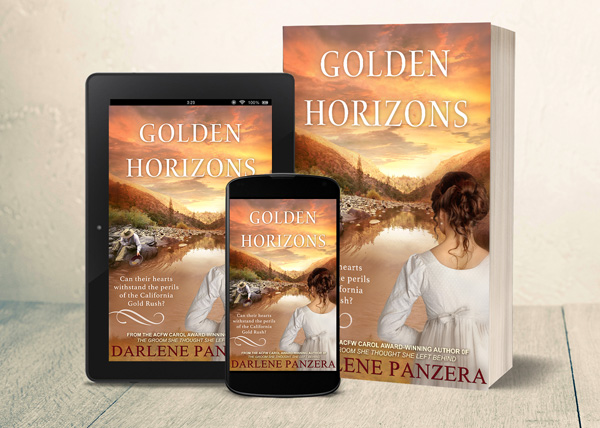
Want to check out the novella for yourself? Golden Horizons is available now on Amazon and other online retailers.
Amazon | Barnes & Noble | Kobo | Apple Books | Indiebound
Other Posts You May Like:




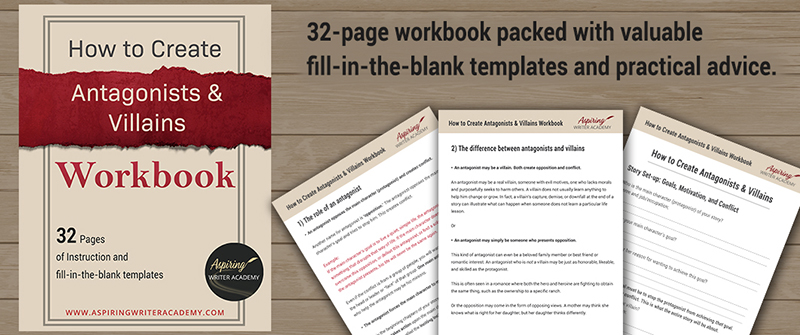
Do you find it difficult to create compelling antagonists and villains for your stories? Do your villains feel cartoonish and unbelievable? Do they lack motivation or a specific game plan? Discover the secrets to crafting villains that will stick with your readers long after they finish your story, with our How to Create Antagonists & Villains Workbook.
This 32-page instructional workbook is packed with valuable fill-in-the-blank templates and practical advice to help you create memorable and effective antagonists and villains. Whether you're a seasoned writer or just starting out, this workbook will take your writing to the next level.
We Believe All Authors Can Aspire to Take Their Writing to the Next Level!
Our Goal for Aspiring Writer Academy is to help people learn how to write quality fiction, teach them to publish and promote their work, and to give them the necessary tools to pursue a writing career.
ENTER YOUR EMAIL BELOW
TO GET YOUR FREE
"Brainstorming Your Story Idea Worksheet"
7 easy fill-in-the-blank pages,
+ 2 bonus pages filled with additional story examples.
A valuable tool to develop story plots again and again.
Other Blog Posts You May Like
Who We Are & Why We Created Aspiring Writer Academy
Author Interview with Jeri Stockdale: Writing a 3-Book Series
Author Chats: Kate Breslin & Book Launch Promotion
Author Chats: Cara Grandle & Her Path to Publishing Fiction
Behind the Scenes: Interview with the Authors of the “Sew in Love” Collection