
How to Write a Scene Goal in Fiction Writing
How to Write a Scene Goal in Fiction Writing
Writing a novel isn’t just about having a plot—it’s about understanding what your characters want and why. Every scene should bring your character closer to achieving their ultimate goal. One of the key tools professional writers use to do this is a scene goal, which helps your character take intentional steps toward their larger story objective.
In this post, we’ll break down how to identify your character’s goals, why scene goals matter, and how to craft them to keep your story compelling.
You can also watch the full explanation in this video from multi-published author, Darlene Panzera.

What Is a Scene Goal?
A scene goal is the objective your main character is trying to achieve in a specific scene. Unlike your overall story goal, which drives the plot from beginning to end, a scene goal focuses on what’s happening right now.
Think of it as a mini-mission for your character: something that must happen in this scene, which also connects to your larger story arc.
Why the Character’s Goal Matters in a Scene
Every scene in your story should show your character actively striving for something important. When a character has a clear goal in a scene, it:
-
Drives the plot forward by showing how their actions affect the story
-
Reveals their motivation and what matters most to them
-
Raises tension because readers wonder if they will succeed or fail
-
Keeps readers invested in the character’s journey
Without a clear character goal, a scene can feel aimless, and readers may struggle to connect with what your character is trying to achieve. Focusing on what your character wants—and why it matters—makes each scene feel purposeful and engaging.
Examples of Scene Goals
Let’s look at a couple of examples to make it more concrete:
Example 1: The Teenage Girl at the Rock Concert
-
Scene Goal: She wants to get into the concert.
-
Overall Story Goal: She might be trying to gather information as a young spy, win acceptance with the popular group at school, or meet the lead singer—who could secretly be her real father.
-
Why it matters: Achieving the scene goal is a step toward her bigger story goal.
Example 2: The Young Farm Hand in the Sword Fighting Competition
-
Scene Goal: Enter the competition.
-
Overall Story Goal: Become a knight and defeat the dragons that destroyed his town.
-
Why it matters: The outcome of this scene will affect whether he moves closer to—or farther from—achieving his ultimate goal.
Notice that each scene goal raises a scene question: Will the character succeed or fail? Answering this keeps readers hooked.
How to Craft a Strong Scene Goal
Here are some tips for writing effective scene goals:
-
Make it clear: The reader should understand what the character is trying to achieve in this scene.
-
Tie it to the overall plot: The scene's outcome advances the story in some way.
-
Raise stakes: Achieving or failing the scene goal should intensify tension and increase the stakes of the character’s larger journey.
-
Create a scene question: The tension comes from wondering if the character will achieve the goal.
-
Resolve it by the end of the scene: The scene question—will the character succeed or fail—should be answered by the end, giving readers a satisfying sense of closure.
Key Takeaway:
Every scene in your novel should have a clear goal. When you give your characters purposeful objectives in each scene, your story becomes stronger, more engaging, and more compelling to readers.
Have questions or thoughts about scene goals? Drop a comment below—we’d love to hear from you!
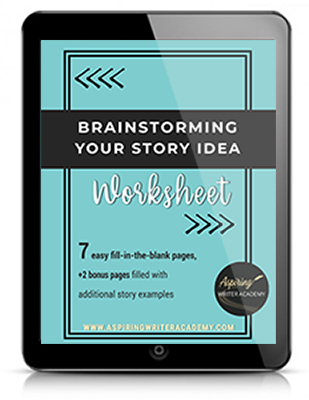
If you like more help developing your story, you may wish to download our Free Brainstorming Your Story Idea Worksheet

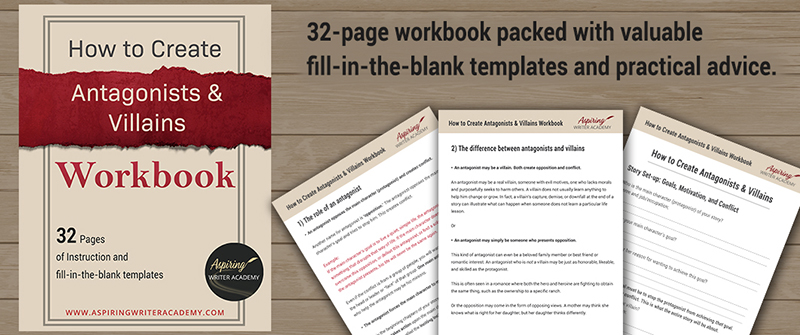
Do you find it difficult to create compelling antagonists and villains for your stories? Do your villains feel cartoonish and unbelievable? Do they lack motivation or a specific game plan? Discover the secrets to crafting villains that will stick with your readers long after they finish your story, with our How to Create Antagonists & Villains Workbook.
This 32-page instructional workbook is packed with valuable fill-in-the-blank templates and practical advice to help you create memorable and effective antagonists and villains. Whether you're a seasoned writer or just starting out, this workbook will take your writing to the next level.
We Believe All Authors Can Aspire to Take Their Writing to the Next Level!
Our Goal for Aspiring Writer Academy is to help people learn how to write quality fiction, teach them to publish and promote their work, and to give them the necessary tools to pursue a writing career.
ENTER YOUR EMAIL BELOW
TO GET YOUR FREE
"Brainstorming Your Story Idea Worksheet"
7 easy fill-in-the-blank pages,
+ 2 bonus pages filled with additional story examples.
A valuable tool to develop story plots again and again.
Other Blog Posts You May Like
Scene & Sequel: The Secret to Plotting an Epic Novel
Scene & Sequel: The Secret to Plotting an Epic Novel (Part 2)
Writing Fiction: How to Develop Your Story Premise
12 Quick Tips to Write Dazzling Dialogue
10 Questions to Ask When Creating Characters for Your Story
Macro Edits: Looking at Your Story as a Whole
Basic Story Structure: How to Plot in 6 Steps
Writing Fiction: How To Keep Track of Time in Your Story
Behind the Scenes: Interview with the Authors of the “Sew in Love” Collection











is a multi-published author, speaker, and writing coach. She writes sweet contemporary, inspirational, and historical romance and loves teaching aspiring writers how to write quality fiction. Read her inspiring story of how she published her first book and launched a successful writing career.