
Plotting
Fiction Writing: Create a Storyboard to Map Out Your Scenes
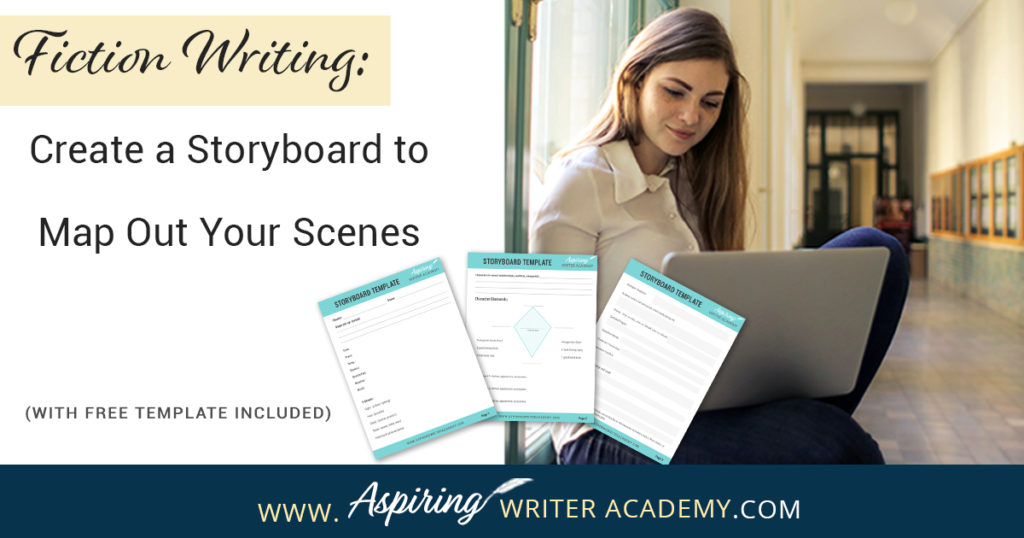
What is the first step to writing a scene?
While some writers just wait to see what comes to mind, it is helpful for most writers to have a plan. Figuring out the scene details and objectives on a “Storyboard” beforehand allows you to write your scenes with ease.
If you are unsure how to craft a vibrant, compelling, purpose-filled scene, follow along as we help you with the framework in our post, Fiction Writing: Create a Storyboard to Map Out Your Scenes, with our Free Template.
3 Ways to Avoid Writing ‘Episodic’ Scenes in Fiction
Has anyone ever called your story ‘episodic?’ Were you left wondering what that term even meant? Perhaps you heard the word ‘episodic’ used negatively by an agent or editor at a conference, or by a critique partner, a Beta reader, or…in a rejection letter. In our post, 3 Ways to Avoid Writing ‘Episodic’ Scenes in Fiction, we help you overcome this common writing pitfall so you can strengthen your story and keep readers turning pages.
Read MoreHow to Write Act I: Opening Scenes for Your Fictional Story
Many writers come up with an idea for a great story but get stuck on the opening scenes.
* Where do you start?
* What should be included in chapter one?
* How should you introduce the characters and the story world?
* What exactly is an ‘inciting incident?’
* When do I insert backstory?
* What is Plot Point I?
In our post, How to Write Act I: Opening Scenes for Your Fictional Story, we answer each of these questions to help set your writing on the road to success.
Read MoreBrainstorming Fiction: What to Do When Your Story Gets “Stuck”
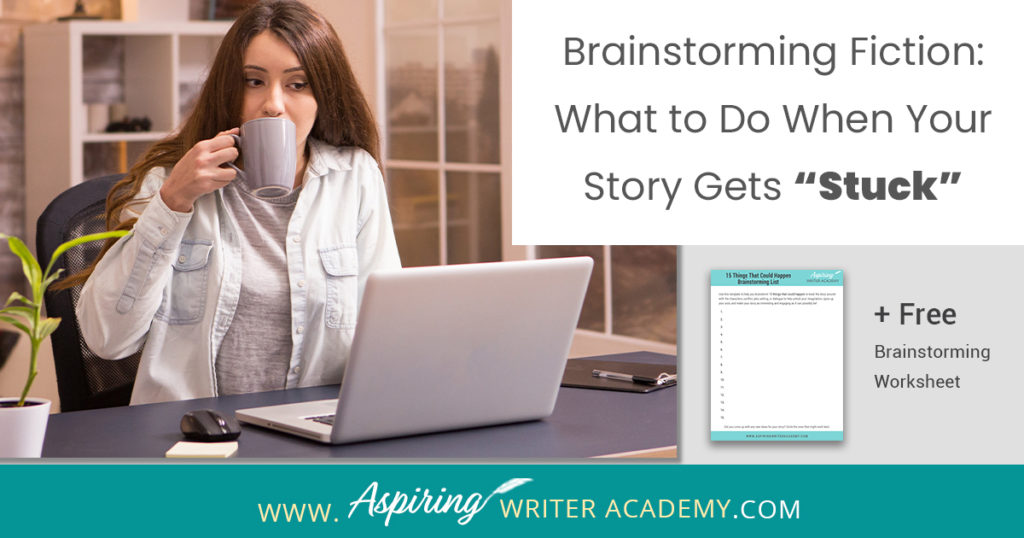
When writing fiction, there may be times when your creativity stalls and you don’t know which way the story should go. Or perhaps the obvious next step forward seems boring.
In our post, Brainstorming Fiction: What to Do When Your Story Gets “Stuck” we give you a tool that can be used for characters, conflict, plot, setting, or dialogue to unlock your imagination, spice up your acts, and make your story as interesting and engaging as it can possibly be!
Read MoreHow to Plot Your Fictional Novel (with Free Template Included)
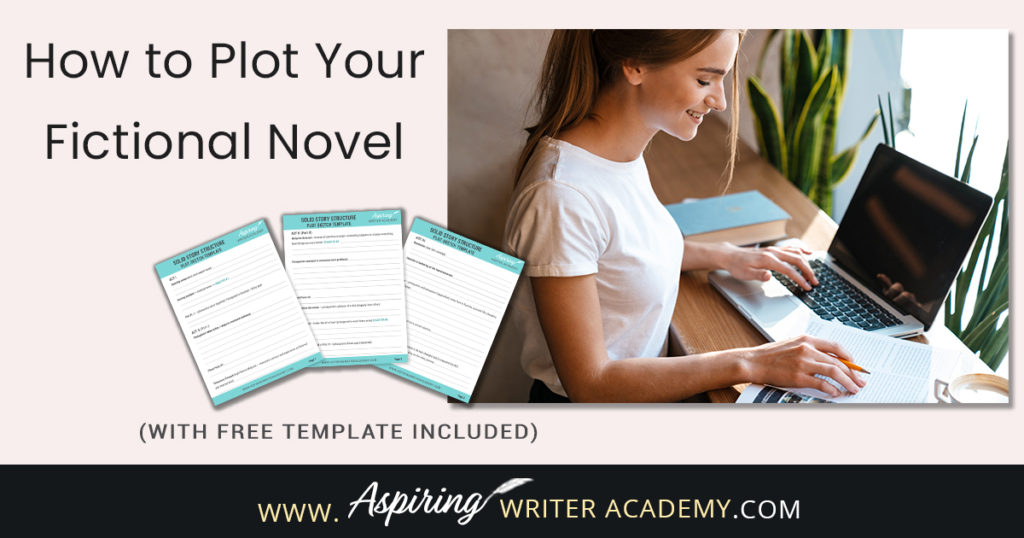
Solid Story Structure. What is it? If you wish to write a satisfying fictional story for your readers, then you must learn the specific elements or ‘Plot Points’ that nearly all Popular Fiction stories share. Using our Free Plot Sketch Template, included in our post, How to Plot Your Fictional Novel, you will be able to identify the various turning points in both movies and books and keep your own stories on track from beginning to end.
Read More5 Questions to Create Believable Villains
What is the difference between an antagonist and a villain? What motivates a villain to do heartless, hurtful, vindictive, terrible things? How can you bring the villain in your fictional story to life for your reader in an identifiable, believable, understandable way?
In our post, 5 Questions to Create Believable Villains, we explore the first questions you should ask when you start to brainstorm this type of character for your story.
Why Your Characters Need Story-Worthy Goals
Have you ever been told by an agent or editor, reviewer, critique partner, or reader that your writing was blah because your main character’s goal was weak, not strong enough, that it wasn’t ‘story-worthy?’
What does ‘story-worthy’ even mean?
In the post below, we will discuss what makes a goal story-worthy so that you can write engaging stories that hold your reader’s attention from beginning to end.
How to Captivate Your Readers with Scene-Ending Hooks
One of the best lines of praise a writer can receive from a reader is, “Your story was so good I couldn’t put it down!” This is the kind of story that is often referred to as a ‘page-turner.’ The reader becomes so involved in the unfolding events of the story that they cannot stop reading because they do not want to miss out on what happens next. Would you like to write a story like that? If so, keep reading as we outline How to Captivate Your Readers with Scene-Ending Hooks.
Read MoreScene & Sequel: The Secret to Plotting an Epic Novel (Part 2)
A good story is about a character who ACTS. His actions and decisions drive the story forward. However, many aspiring writers string together scenes that an editor might call ‘episodic.’ What is ‘episodic?’ This is when your character seems to enter a scene without a clear scene goal or intention of pursuing a scene goal, and a random event occurs causing the character to react. Then another disaster happens to this character in the next scene or the character gets more bad news.
Read MoreScene & Sequel: The Secret to Plotting an Epic Novel
Scene & Sequel: The Secret to Plotting an Epic Novel
(Part I)
Ever feel ‘stuck’ while writing or had your story called ‘episodic’ or ‘unmotivated?’ Do you have a hard time moving your story forward in a way that grips the reader?
Learn the individual components of Scene & Sequel to structure your scenes, advance the plot, and increase the stakes with each character decision.
Basic Story Structure: How to Plot in 6 Steps
Before you sit down to write a story, you must first decide: What do you want to write about? And even more importantly—Why?
Read More