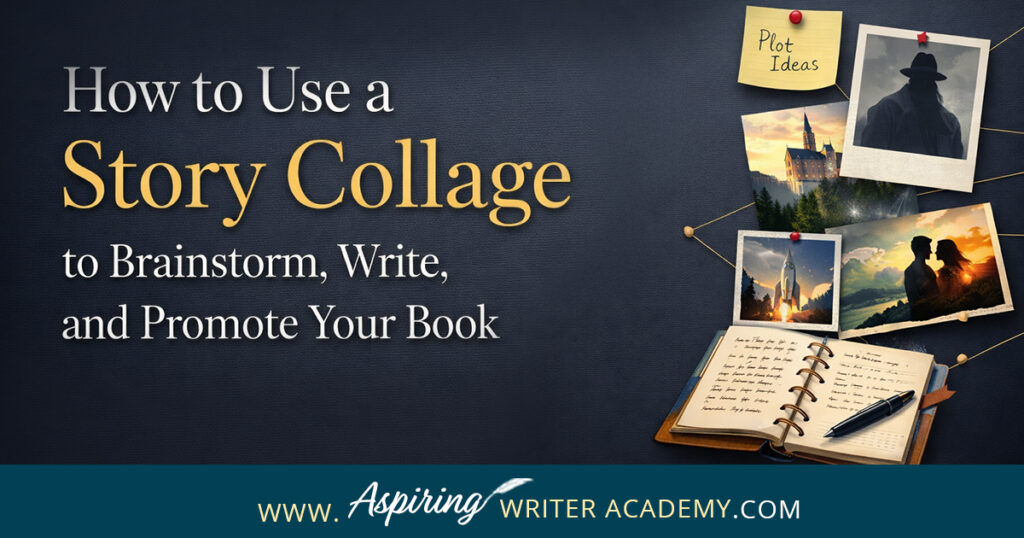
How to Use a Story Collage to Brainstorm, Write, and Promote Your Book
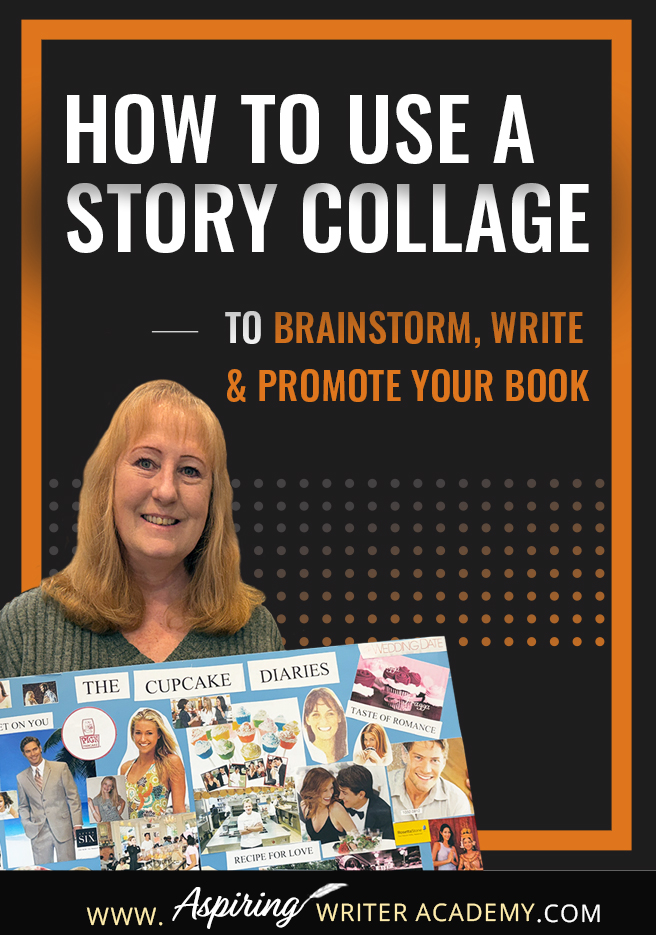
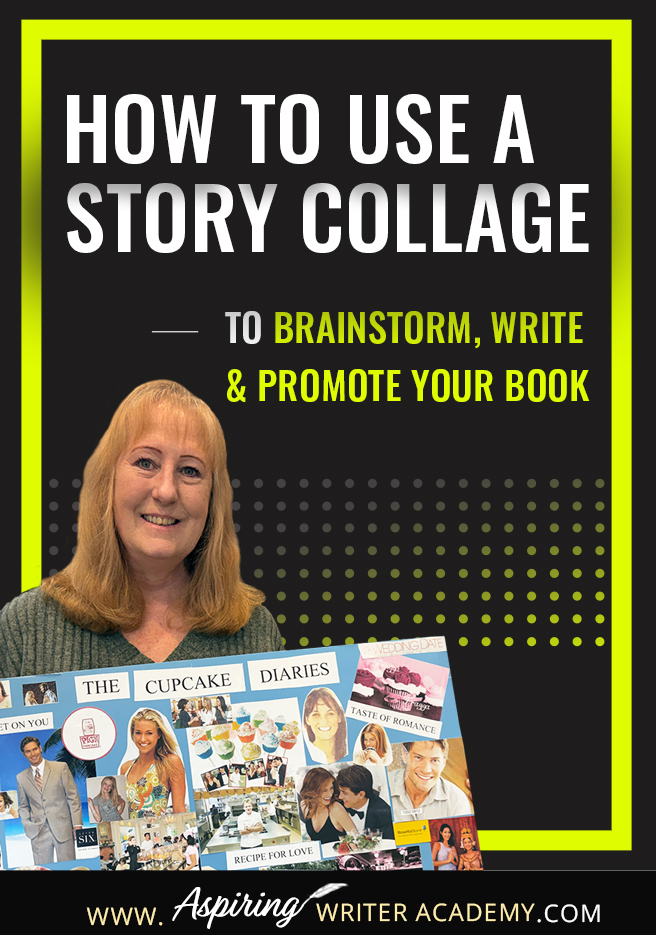
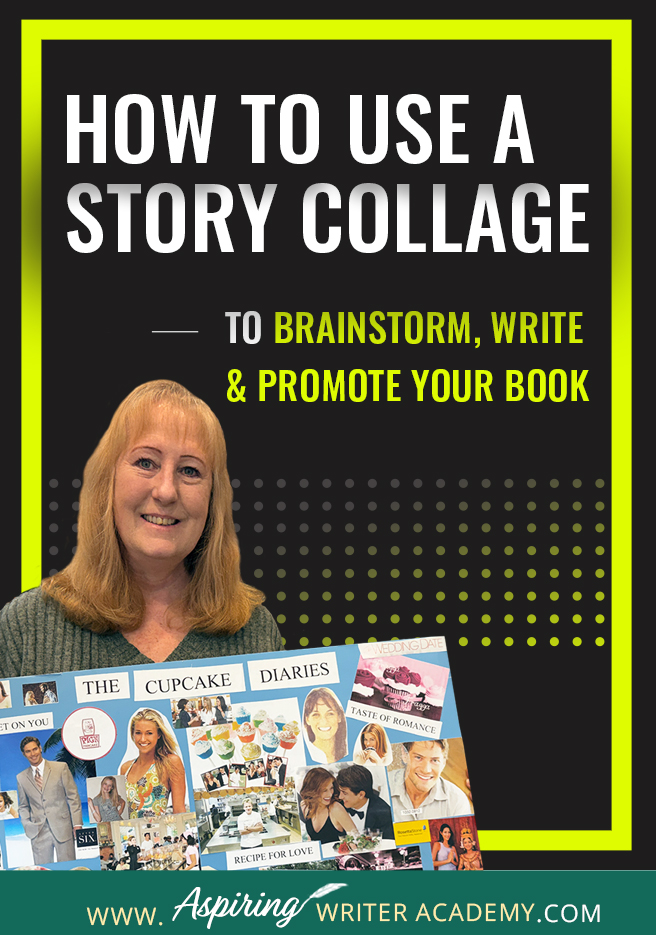
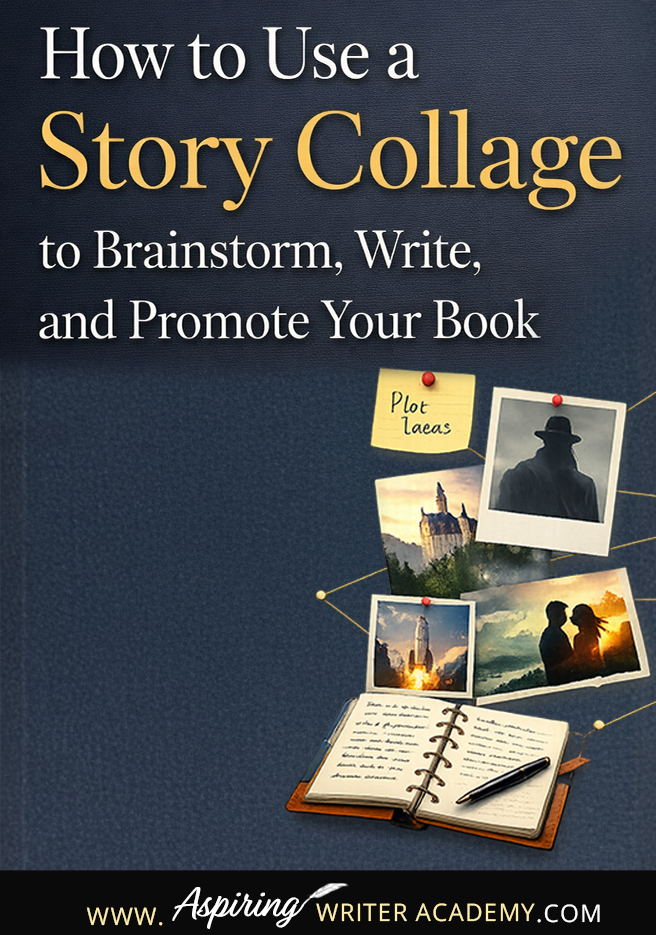
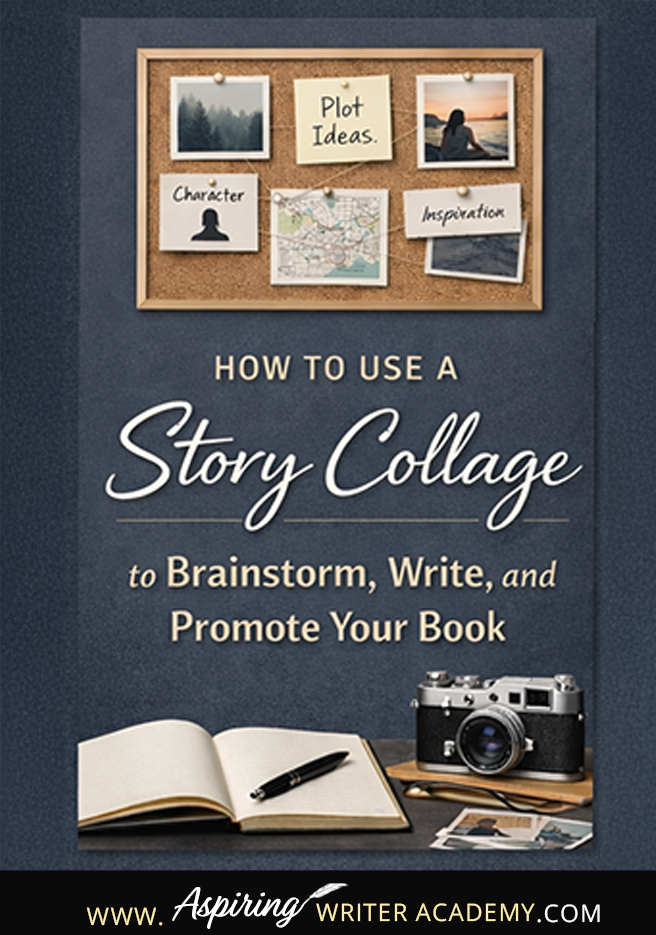
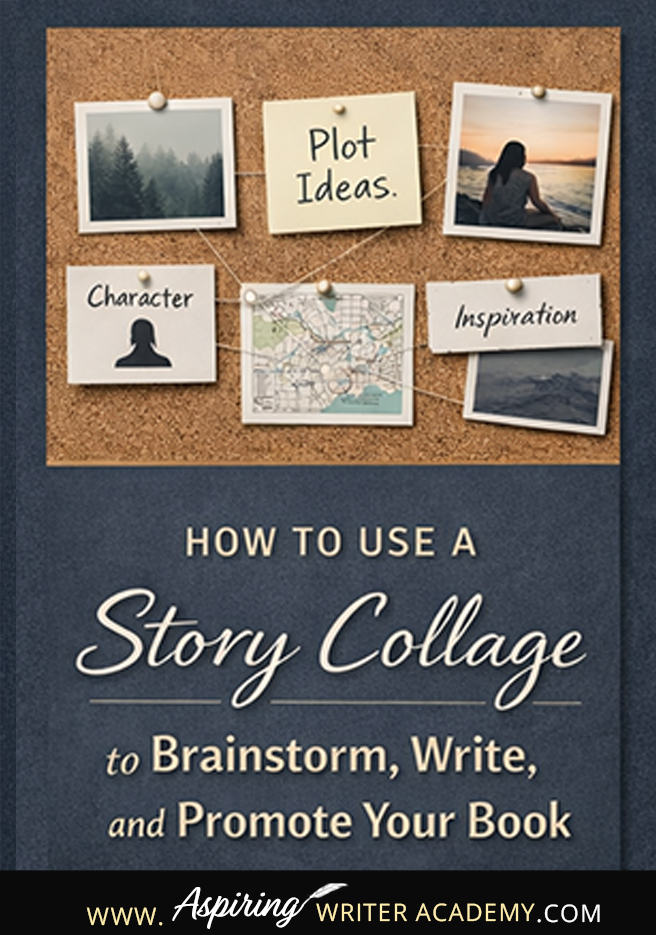
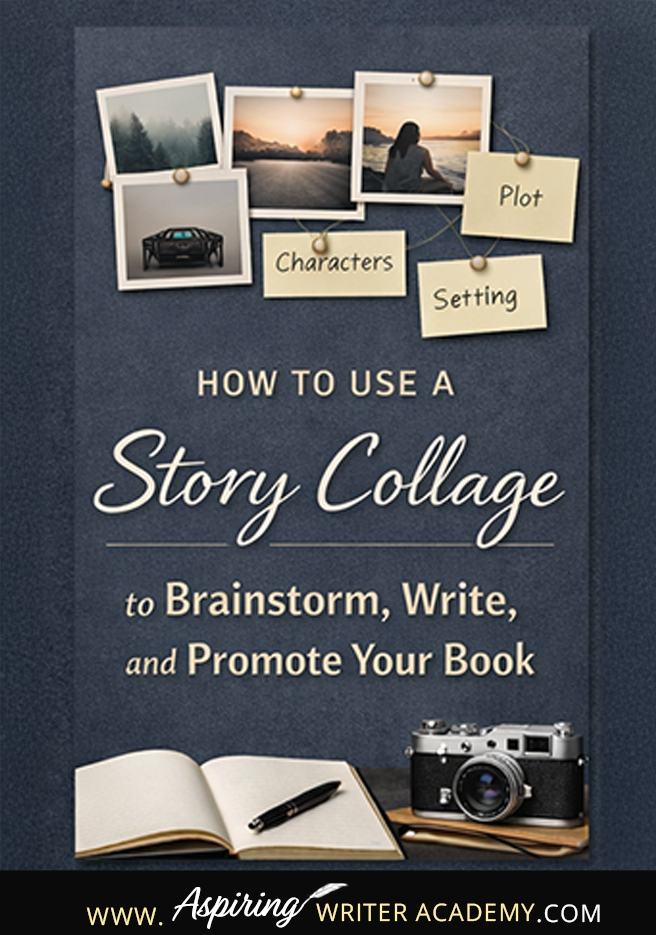
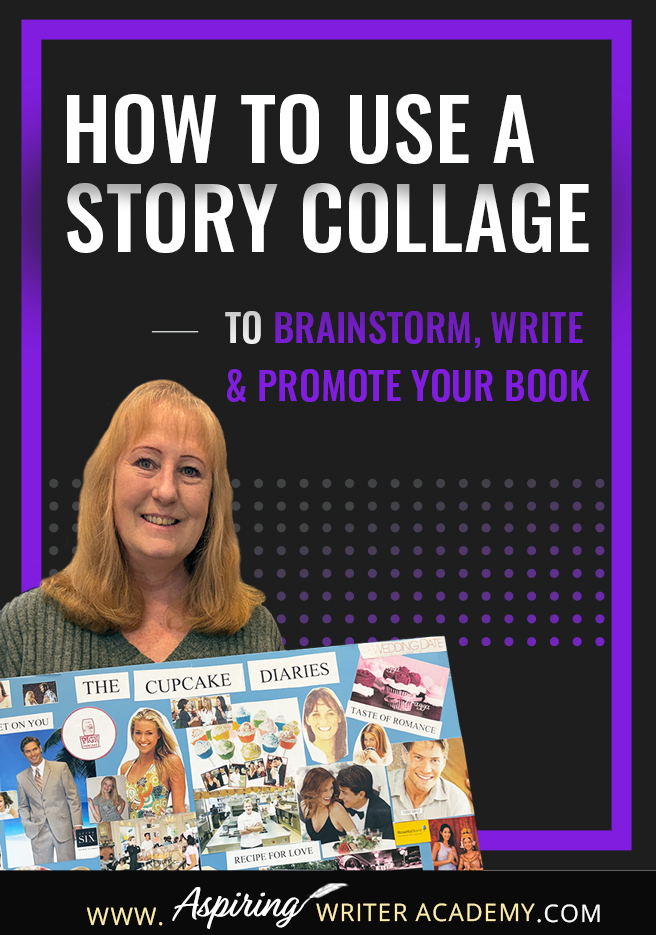
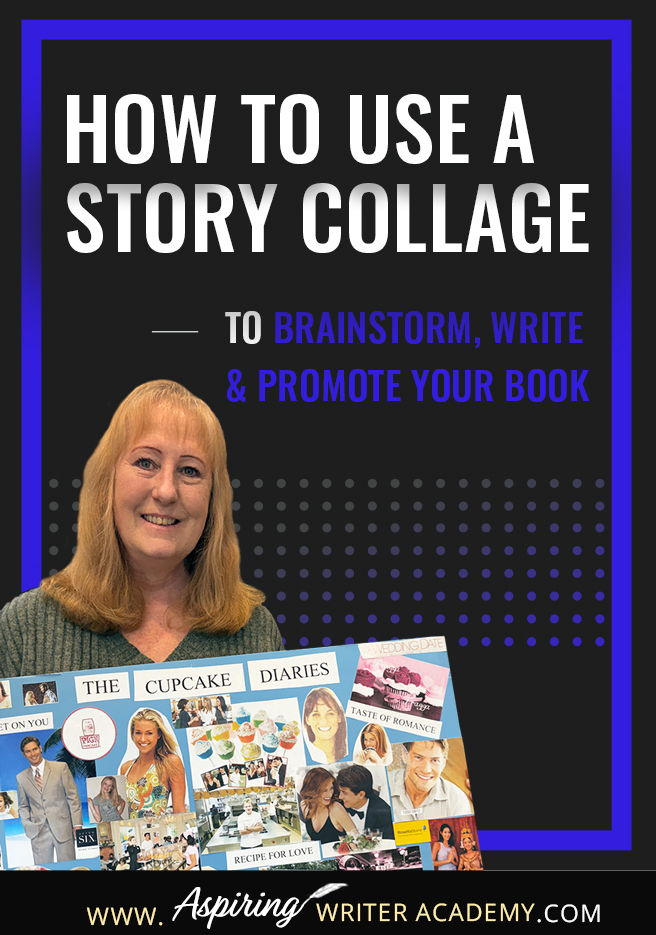
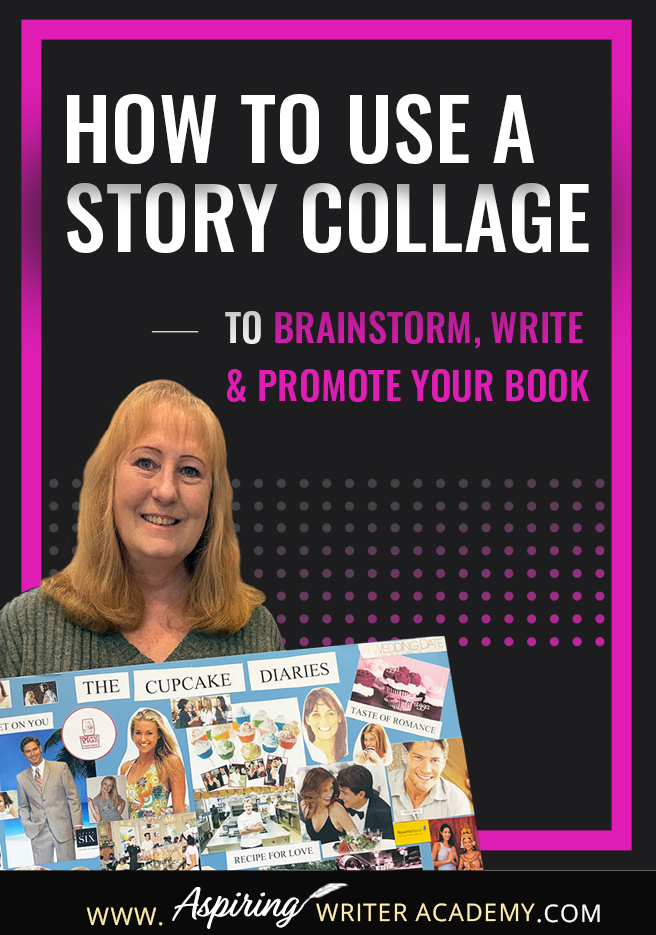
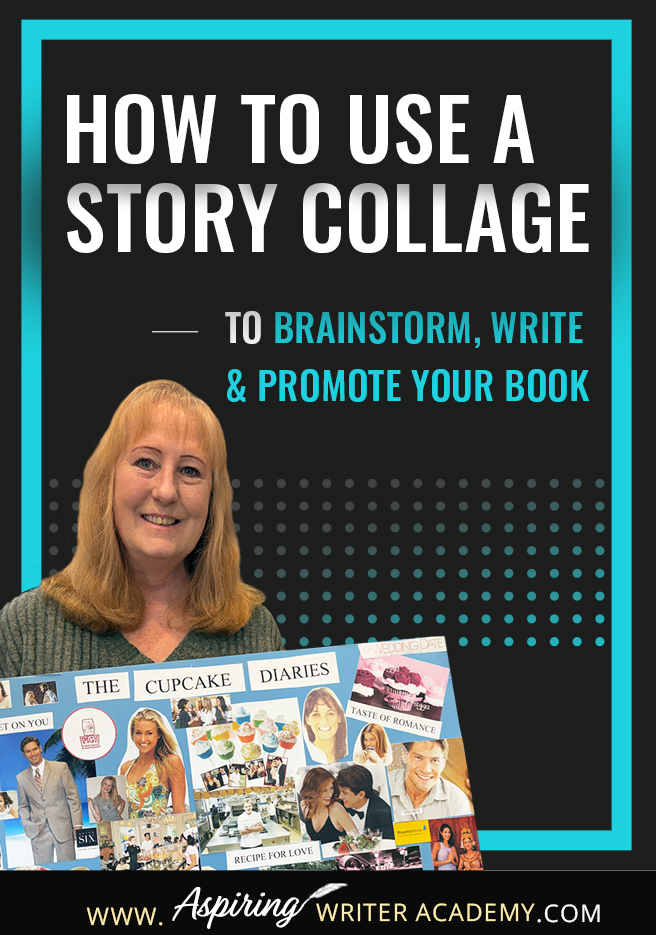
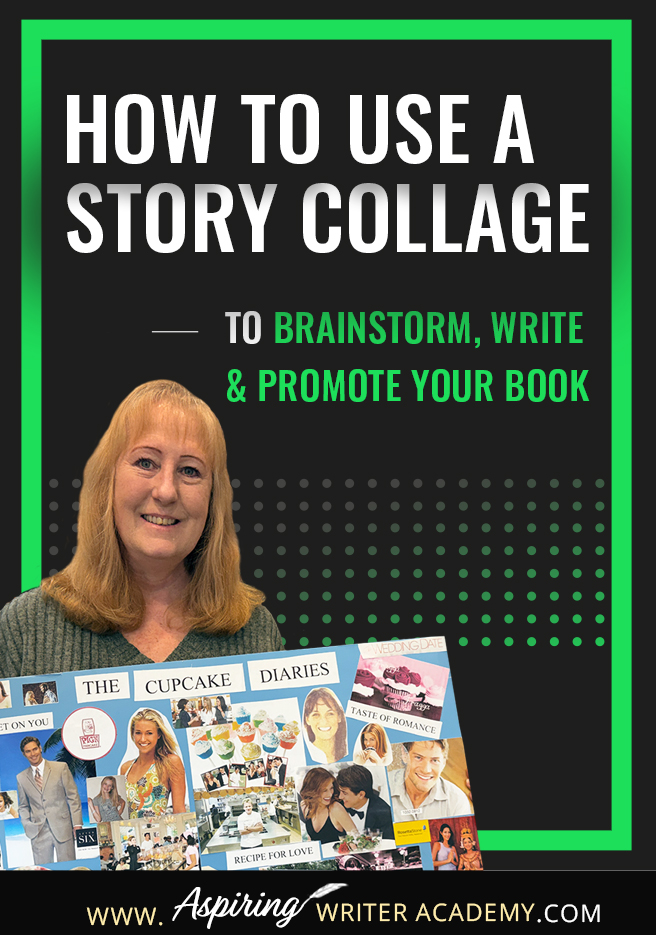
When you first start a new story, you don’t always have everything figured out—and that’s normal. Maybe you have a vague idea of a character, a single scene you can’t stop thinking about, or just a strong sense of place. What you don’t have yet is the full picture.
That’s where a story collage comes in.
Creating a poster board collage for your story might sound like arts and crafts at first, but it’s actually a powerful tool that can help you brainstorm ideas, stay focused while writing, and even promote your book once it’s finished.
Let’s walk through how story collages work—and why so many writers swear by them.

What Is a Story Collage?
A story collage is a visual board made up of images, words, and details that represent your story. It can include:
-
Characters
-
Settings
-
Important scenes
-
Mood and tone
-
Themes
-
Symbols or objects from the story
Some writers create a collage for a single book, while others create one board for an entire series. There’s no right or wrong way to do it—the goal is to see your story all in one place.
Why Visual Brainstorming Works for Writers
When you’re brainstorming in your head, ideas can feel scattered. Visual brainstorming helps lock those ideas into your brain.
As you search for images—online or in magazines—you often discover details you hadn’t consciously thought about yet. A hairstyle, a facial expression, a landscape, or a color palette can suddenly spark a new scene or deepen a character’s personality.
Pictures bypass overthinking and go straight to inspiration.
Using a Story Collage to Develop Characters
One of the most helpful uses of a story collage is character development.
Try finding images for:
-
Your main character
-
Love interests
-
Family members
-
Friends
-
Villains or antagonists
Having a visual reference makes characters feel more real. Instead of reimagining them every time you sit down to write, their features and energy are already set in your mind. This helps with consistency and makes scenes easier to write.
Bringing Setting and Worldbuilding to Life
Settings aren’t just backdrops—they shape your story.
Adding photos of:
-
Cities or towns
-
Landscapes
-
Buildings
-
Historical locations
-
Maps
can help you better understand how your characters move through the world. Whether your story is set in modern times, historical fiction, or a fictional place inspired by real locations, visuals help establish mood and atmosphere instantly.
Visualizing Plot, Scenes, and Story Details
A story collage isn’t just about characters and settings—it can also include:
-
Key scenes
-
Symbols
-
Festivals or events
-
Objects tied to the plot
-
Quotes, song lyrics, or sayings
Seeing all of this together helps you understand the feel of your story. It can also reveal missing pieces or inspire scenes you hadn’t planned yet.
One Collage for a Series? Yes!
If you’re writing a series, you can absolutely create one collage for multiple books.
A single board can represent:
-
The overall tone of the series
-
Recurring characters
-
Major story arcs
-
A shared setting
This is especially helpful for keeping continuity straight across several books.
Using Story Collages for Historical Fiction
Story collages are incredibly useful for historical fiction.
You can include:
-
Maps from the time period
-
Historical photos
-
Real-life figures who inspire your story
-
Period-specific objects, clothing, or architecture
-
Songs, sayings, or documents from that era
This blends research and creativity in a way that feels inspiring instead of overwhelming.
How Story Collages Help with Book Promotion
Here’s a bonus most writers don’t think about: story collages are great marketing tools.
You can:
-
Display them at book signings
-
Use them as conversation starters with readers
-
Photograph them for social media
-
Share them behind-the-scenes on your author platform
Readers love seeing how a story came together. A collage gives them a peek into your creative process—and helps them connect more deeply with your book.
Make It Your Own (and Have Fun)
Your story collage doesn’t need to be perfect. It can be neat or messy, detailed or simple, physical or digital.
What matters is that it:
-
Inspires you
-
Keeps your story clear in your mind
-
Makes writing more enjoyable
If it helps you stay excited about your story, then it’s doing its job.
Want Extra Help Brainstorming Your Story?
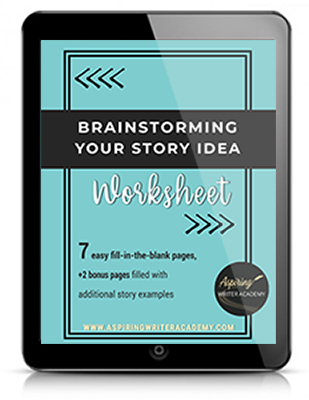
If you’d like more guidance, be sure to download our free Brainstorming Your Story Idea worksheet. It includes seven pages of fill-in-the-blank prompts and examples to help you move from idea to outline with confidence.
And if you enjoy learning about writing, publishing, and book promotion, don’t forget to check out our YouTube channel for more helpful videos.
Happy writing—and happy collaging 


We Believe All Authors Can Aspire to Take Their Writing to the Next Level!
Our Goal for Aspiring Writer Academy is to help people learn how to write quality fiction, teach them to publish and promote their work, and to give them the necessary tools to pursue a writing career.
Before You Go… Grab This Free Resource!
If you’re in the early stages of writing your novel, don’t forget to download our free Brainstorming Your Story Idea Worksheet. It includes:
-
Fill-in-the-blank prompts
-
Story structure examples
-
Guided questions
-
Idea-boosting templates
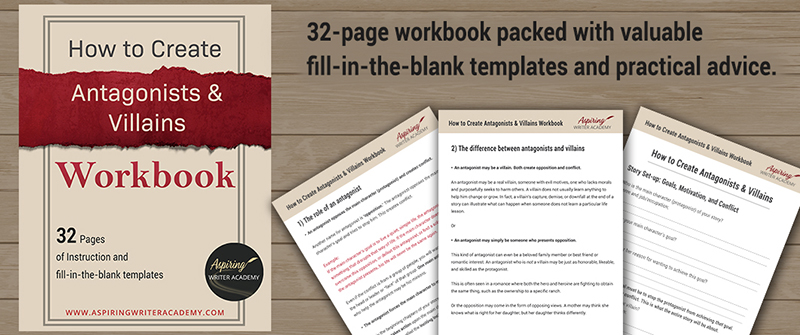
Do you find it difficult to create compelling antagonists and villains for your stories? Do your villains feel cartoonish and unbelievable? Do they lack motivation or a specific game plan? Discover the secrets to crafting villains that will stick with your readers long after they finish your story, with our How to Create Antagonists & Villains Workbook.
This 32-page instructional workbook is packed with valuable fill-in-the-blank templates and practical advice to help you create memorable and effective antagonists and villains. Whether you're a seasoned writer or just starting out, this workbook will take your writing to the next level.
Other Posts You May Like: