
How to Find Time to Write—Even with a Busy Schedule

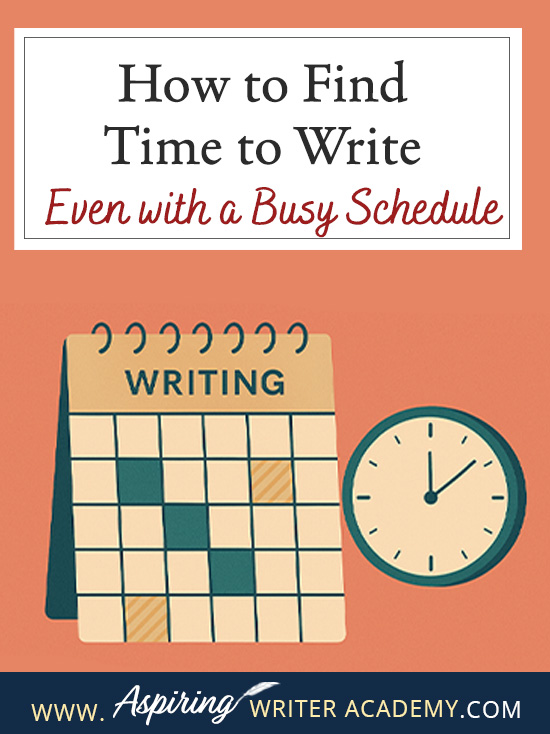
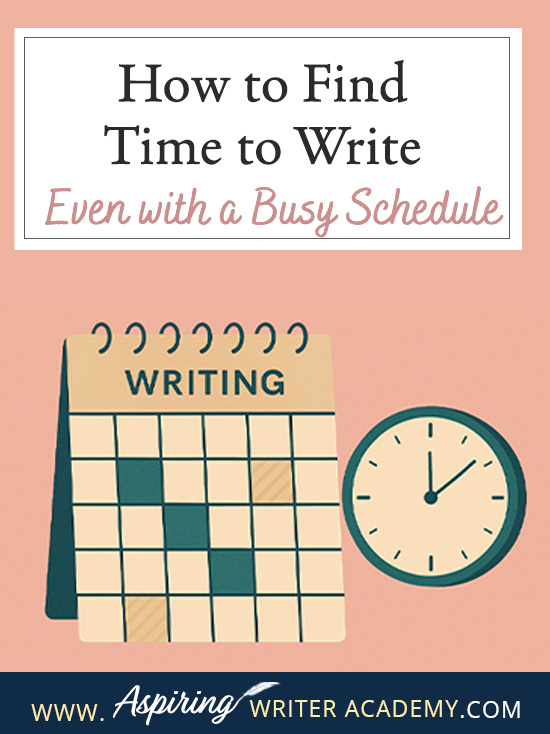
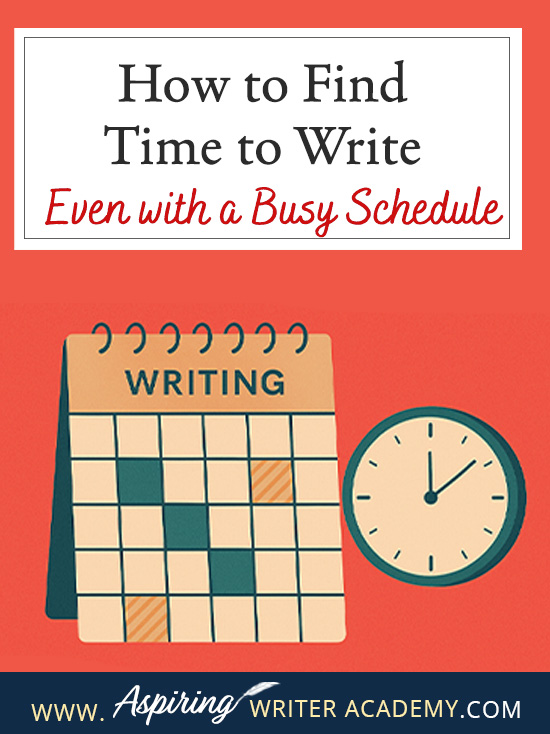

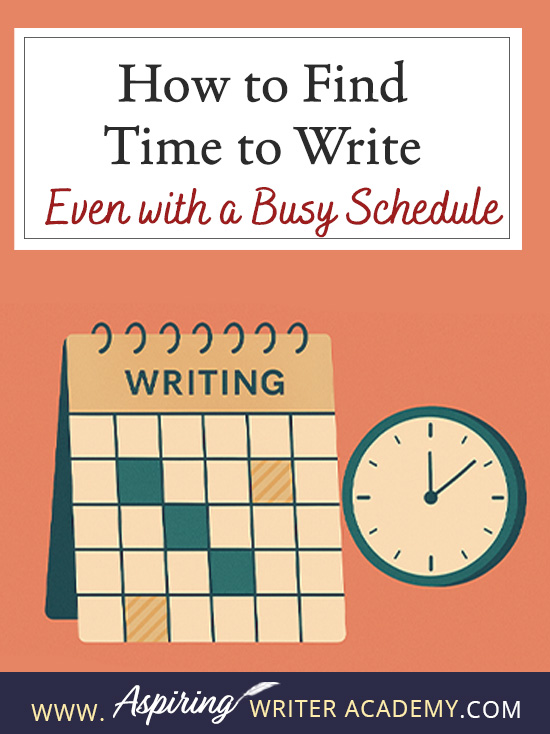


Let’s face it—finding time to write is one of the biggest challenges for writers. Life gets busy. There are always errands to run, kids to take care of, appointments to attend, and those unexpected things that pop up and throw your whole day off track.
You might start your day with the best intentions: “Today, I’m going to write for two hours.” But then a phone call comes in. Or your plans get derailed by something you didn’t expect. And suddenly, that writing session disappears.
You're not alone in this. Every writer—no matter how experienced—struggles with making time to write. But with a little strategy and a flexible mindset, it is possible to create consistent space for your writing, even when life is chaotic.
Here are a few tips that can help:


1. Plan for the Week, Not Just the Day
Daily writing goals are great in theory—but life doesn’t always cooperate. Instead of stressing over hitting a word count every single day, try setting a weekly goal. Ask yourself:
“What do I want to accomplish by the end of this week?”
This could be writing a certain number of pages, finishing a scene, or completing a character outline. A weekly goal gives you more breathing room. If one day falls apart, you have the flexibility to catch up later without feeling like you failed.

2. Time Block with Buffer Zones
Start by looking at your calendar for the week. Take note of your appointments and other obligations, then block out possible writing windows—even if they’re just 15–30 minutes.
Don’t wedge your writing time too tightly. Build in buffer zones to account for the unexpected: the post office run, the extra-long doctor’s appointment, the last-minute errand.
If you want your writing time to stick, you have to plan for real life.

3. Identify Your Least Interruptible Hours
Think about your day. When are interruptions least likely? If your afternoons are chaotic, consider writing first thing in the morning or late at night after the house is quiet.
Sometimes, the only way to get words on the page is to get up early or stay up late. It’s not always easy, but it can be worth it—especially when deadlines are looming.


4. Always Carry a Notebook (or Use Your Phone)
Story ideas don’t always arrive when you're sitting at your desk. That’s why it helps to keep a notebook—or your phone—handy at all times. Jot down random thoughts, snippets of dialogue, or plot ideas when they come to you.
Those small notes can add up and make your next writing session even more productive.

5. Keep a “Next Step” List
Ever sit down to write and realize you’ve forgotten where you left off? That delay eats up your precious writing time.
To stay focused, keep a running list of your next writing tasks. This might include:
-
Write Scene 3
-
Flesh out a side character
-
Brainstorm props or setting details
-
Sketch out the hook and ending for the next chapter
With a plan in place, you can jump straight into writing—even if you only have 20 minutes.

6. Embrace Writing Sprints
Writing in short bursts—also known as writing sprints—can be incredibly effective. Even if you can only squeeze in 10–15 minutes here and there, those moments add up.
By the end of the week, you may be surprised by how many words or scenes you’ve completed—just by using small windows of time consistently.

7. Be Flexible, Not Perfect
No writing schedule will ever be perfect. Things will always come up. The goal isn’t to control every moment of your day—it’s to make room for progress.
Give yourself grace. Adjust when needed. And just keep moving forward, one small step at a time.
Final Thoughts
Time management is hard. Life is unpredictable. But if writing matters to you, then it's worth finding creative ways to make it fit.
You don’t need giant blocks of uninterrupted time—you just need a plan, a little flexibility, and the determination to keep going, even when it’s tough.
Other Posts You May Like:






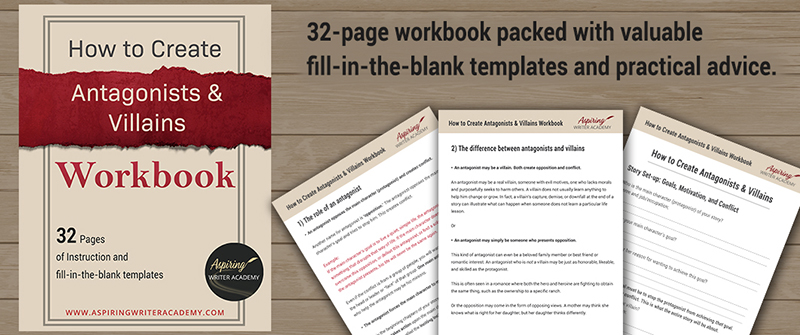
Do you find it difficult to create compelling antagonists and villains for your stories? Do your villains feel cartoonish and unbelievable? Do they lack motivation or a specific game plan? Discover the secrets to crafting villains that will stick with your readers long after they finish your story, with our How to Create Antagonists & Villains Workbook.
This 32-page instructional workbook is packed with valuable fill-in-the-blank templates and practical advice to help you create memorable and effective antagonists and villains. Whether you're a seasoned writer or just starting out, this workbook will take your writing to the next level.
We Believe All Authors Can Aspire to Take Their Writing to the Next Level!
Our Goal for Aspiring Writer Academy is to help people learn how to write quality fiction, teach them to publish and promote their work, and to give them the necessary tools to pursue a writing career.

ENTER YOUR EMAIL BELOW
TO GET YOUR FREE
"Brainstorming Your Story Idea Worksheet"
7 easy fill-in-the-blank pages,
+ 2 bonus pages filled with additional story examples.
A valuable tool to develop story plots again and again.
Other Blog Posts You May Like
Why Writers Need a Clear Plan (Especially When Life Gets Busy)
How to Set New Year’s Resolutions for Fiction Writing
Slingshot Week: How to Set Goals and Make 2025 Your Best Writing Year Yet
No More Excuses: How to Fit Writing into Your Life with Just 10 Minutes a Day
Top 7 Books to Make You a Super-Productive Writer
How to Boost Your Productivity and Get Your Novel Written
The Writing Life: Quotes to Embrace the Journey
Do You Dream of Being a Published Author? (How Bad Do You Want It?)
Who is an ‘Aspiring Writer?’ 3 Tips to Escalate Your Career No Matter What Level You Are At
The Writer’s Dream: Quotes to Help You Pursue Your Writing Goals
The Money-Making Author Mindset: Strategies for Financial Growth and Success for Writers
Slingshot Week: How to Set New Goals for Writing in 2023
How to Prep for NaNoWriMo (National Novel Writing Month)
How Writing Prompts Can Improve Your Fictional Story
3 Levels of Goal Setting for Fiction Writers