How to Balance Real-Life Events With Your Fiction Using a Story Timeline
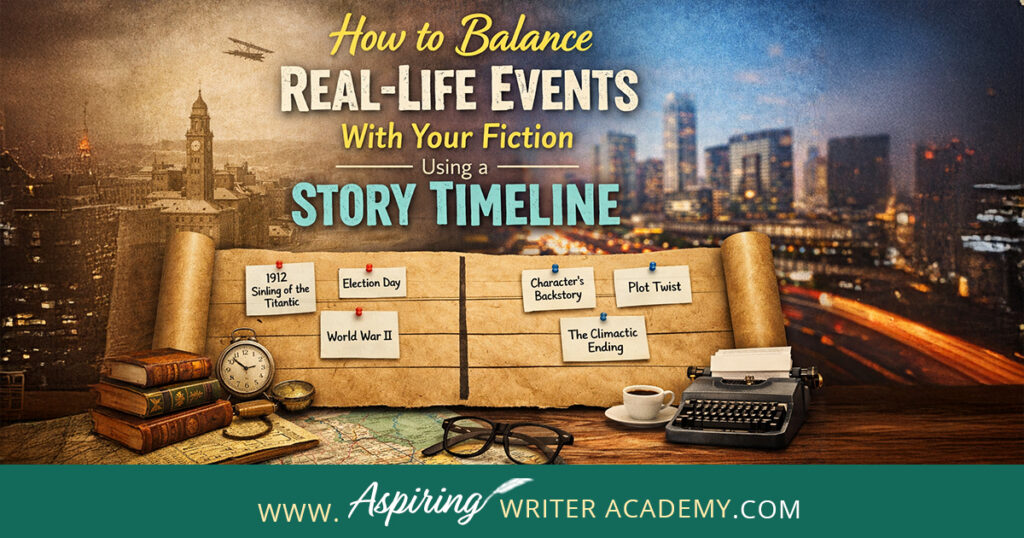
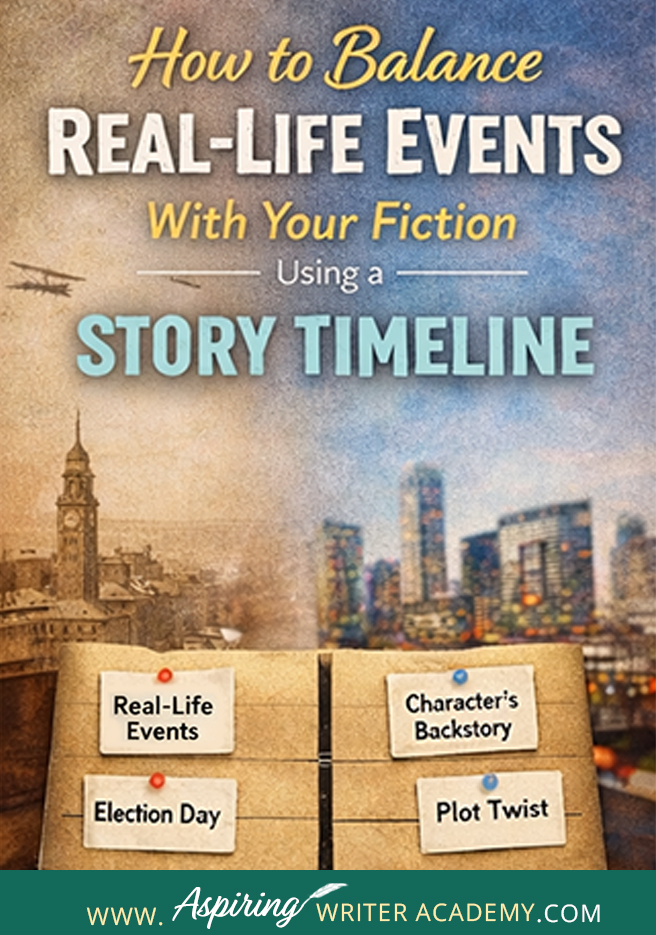
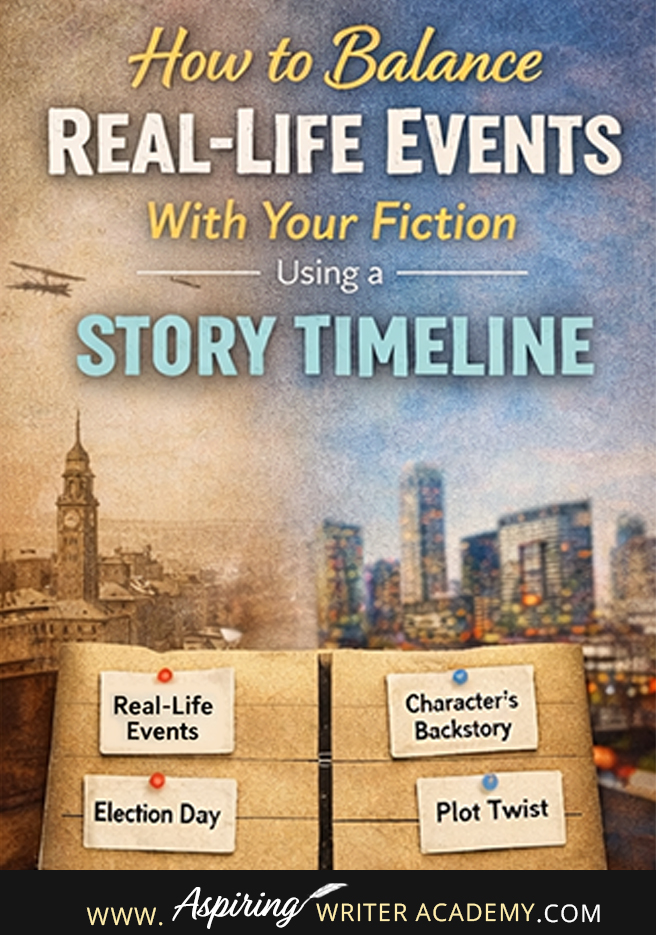
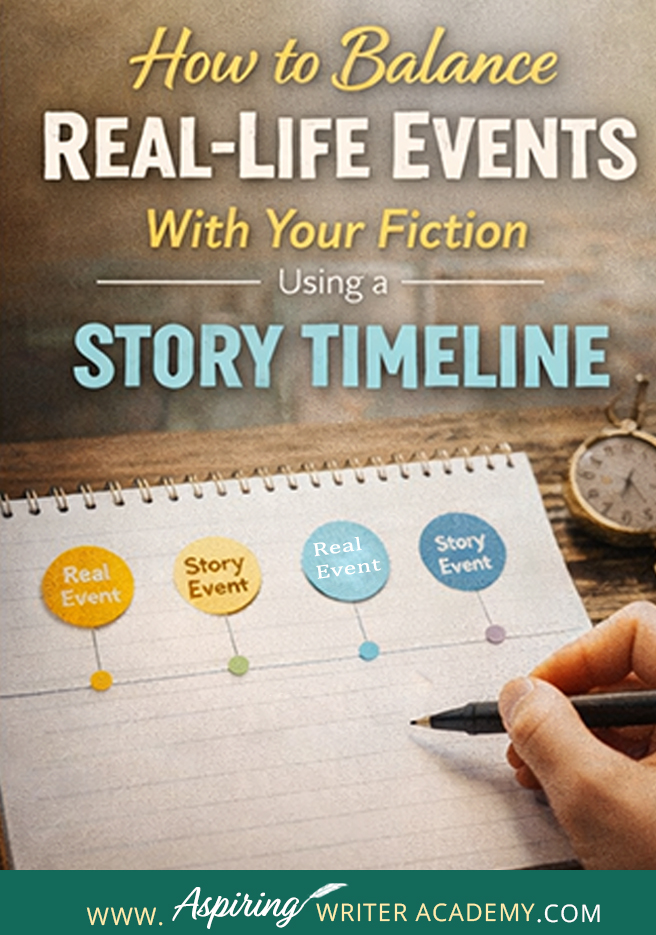
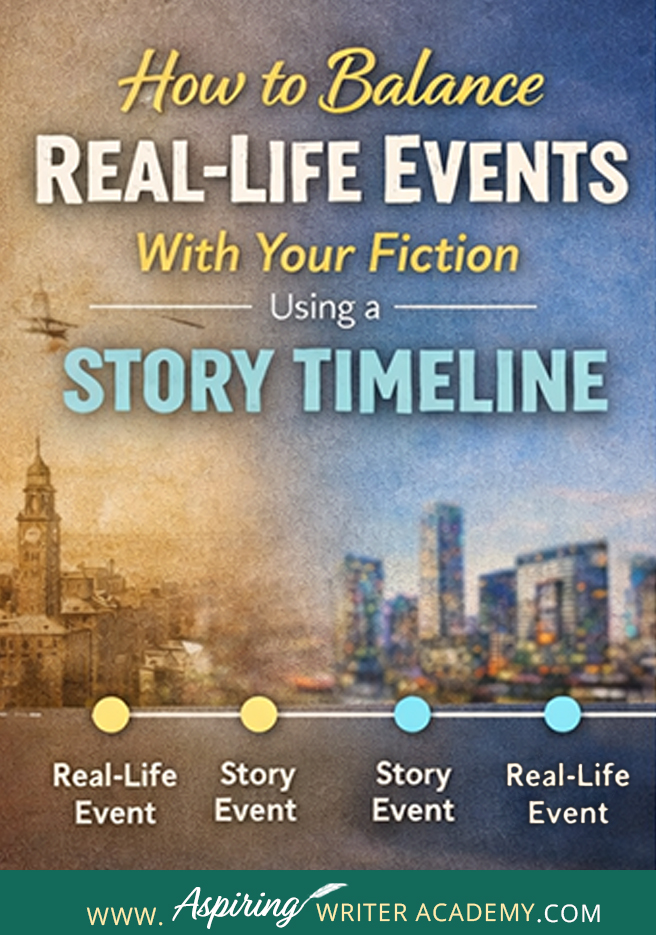
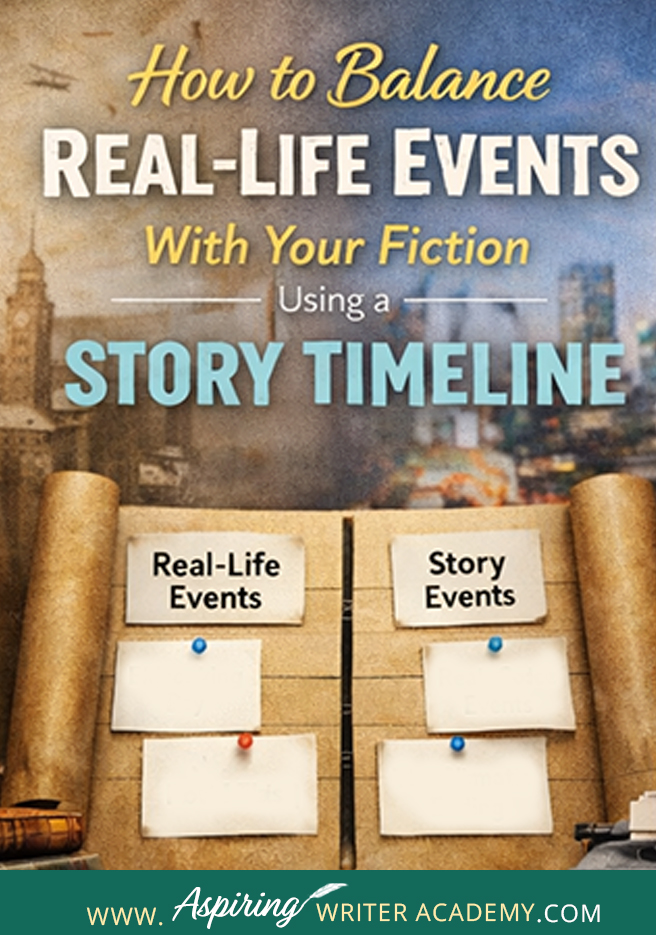
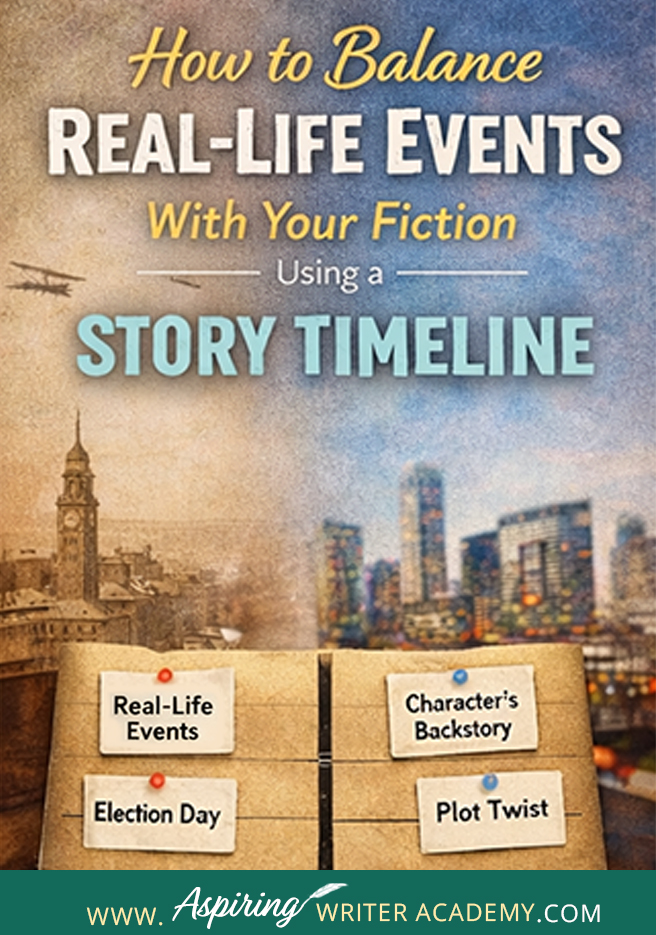
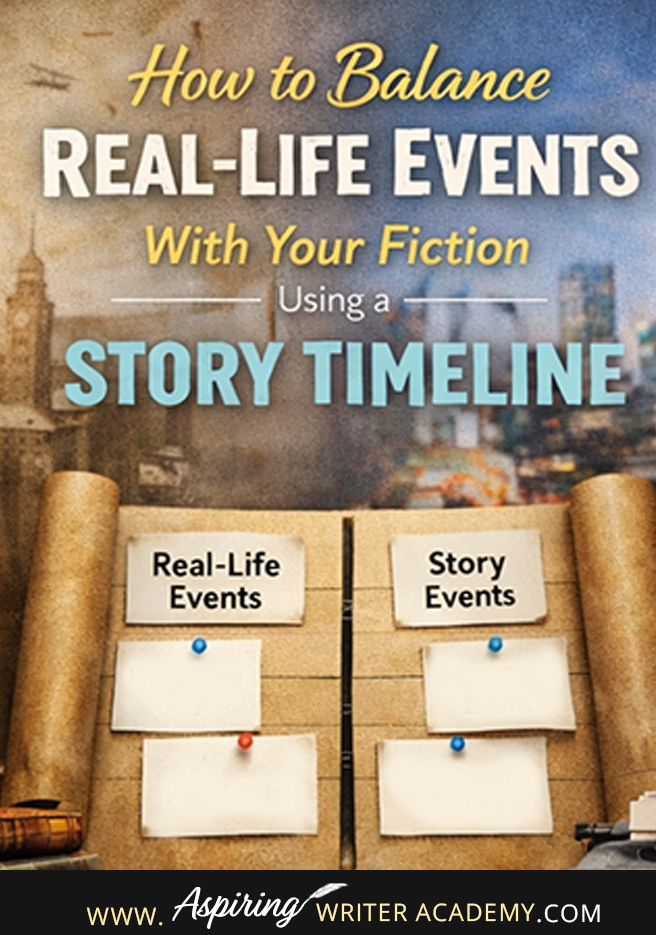
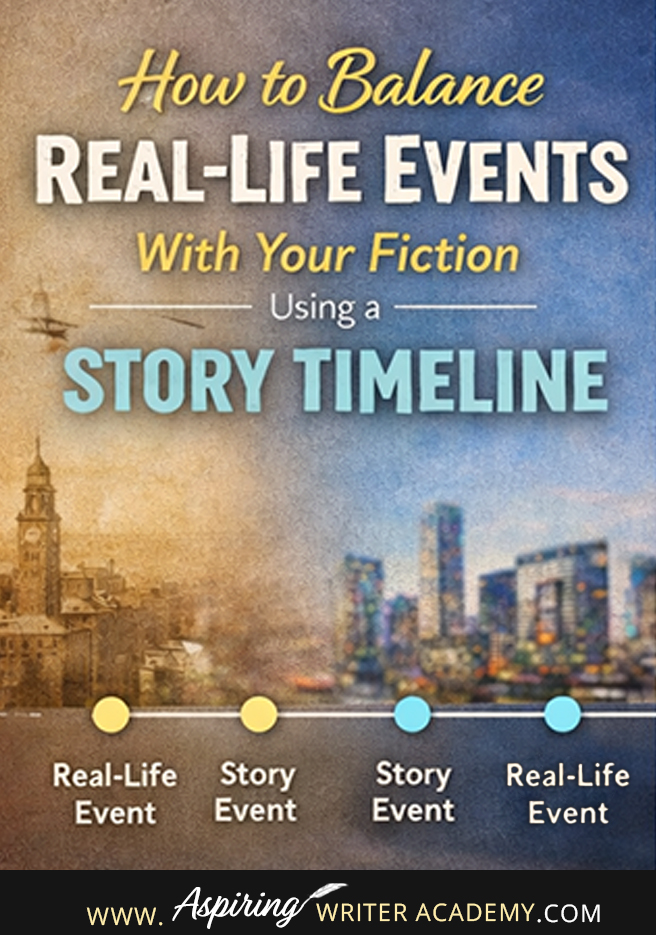
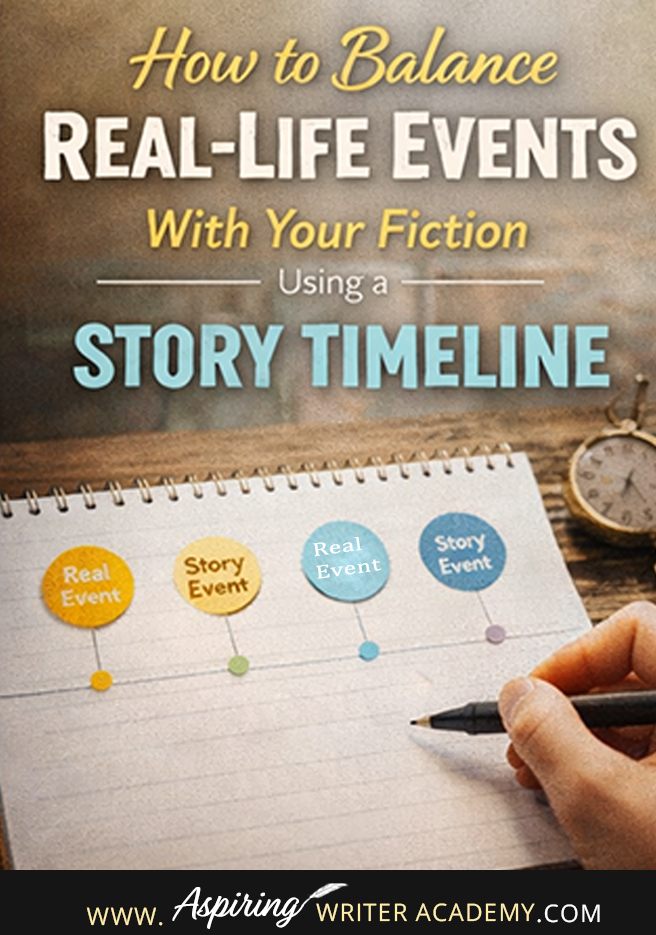
Have you ever been deep into writing your novel, only to pause and think, “Wait… didn’t this happen two weeks ago?” Or maybe a character seems out of place because something in the real world should have affected them, but it didn’t. You’re not alone — keeping your story consistent while weaving in real-world events can be tricky.
That’s where a story timeline comes in. Not only does it help you keep events in order, it allows you to balance fictional events with real-life context, making your story believable and your characters’ actions realistic.
In this guide, I’ll walk you step by step on how to create a simple, inexpensive timeline that helps you organize both your fictional plot and the real-world events that influence your characters.
 Watch the full video tutorial below, then follow the steps in this blog post.

Why Balancing Real-Life Events With Fiction Matters
A story timeline isn’t just about keeping track of days, weeks, or months in your plot — it’s about grounding your characters in a world that feels real.
For example:
-
A sports-obsessed character scheduling a romantic dinner during the Super Bowl might act differently — maybe they postpone it because they have to watch the game.
-
Historical events like war, elections, pandemics, or inventions could affect your characters’ choices, emotions, and opportunities.
-
Even contemporary events — cultural milestones, sports championships, or national news — can shape internal conflict and plot tension.
By accounting for these events in your timeline, your characters and plot stay logical, consistent, and relatable.
Step 1: Research Before You Build Your Timeline
Before you even draw your timeline, spend some time researching:
-
What historical, regional, or national events occur during your story’s time period?
-
What events in your character’s personal past shaped who they are?
-
Are there cultural or technological events your character would notice or react to?
For example, a character’s decisions could be influenced by:
-
Wars or conflicts
-
Pandemics like the Spanish flu
-
Major elections or political shifts
-
Sinking of the Titanic
-
Inventions like the telephone, light bulb, or automobile
Even contemporary fiction benefits from this research — your characters exist in a real world, and acknowledging that makes their story richer and more believable.
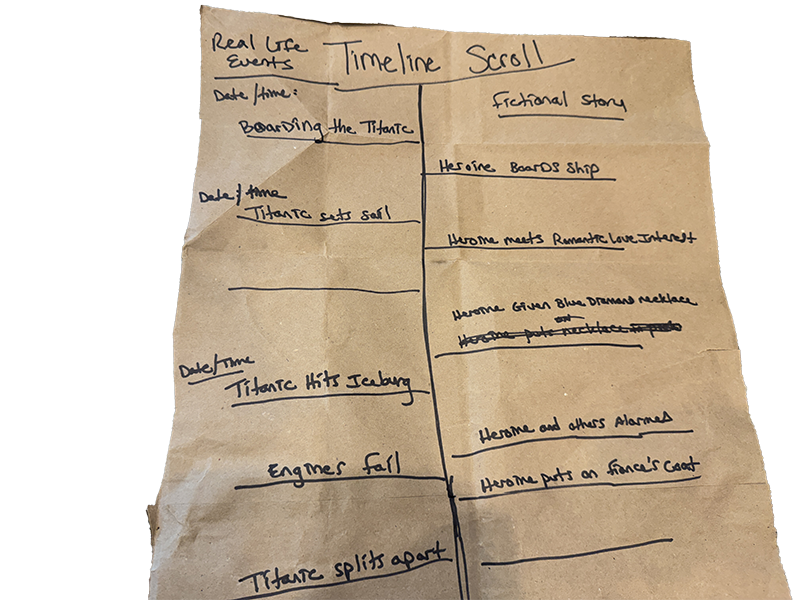
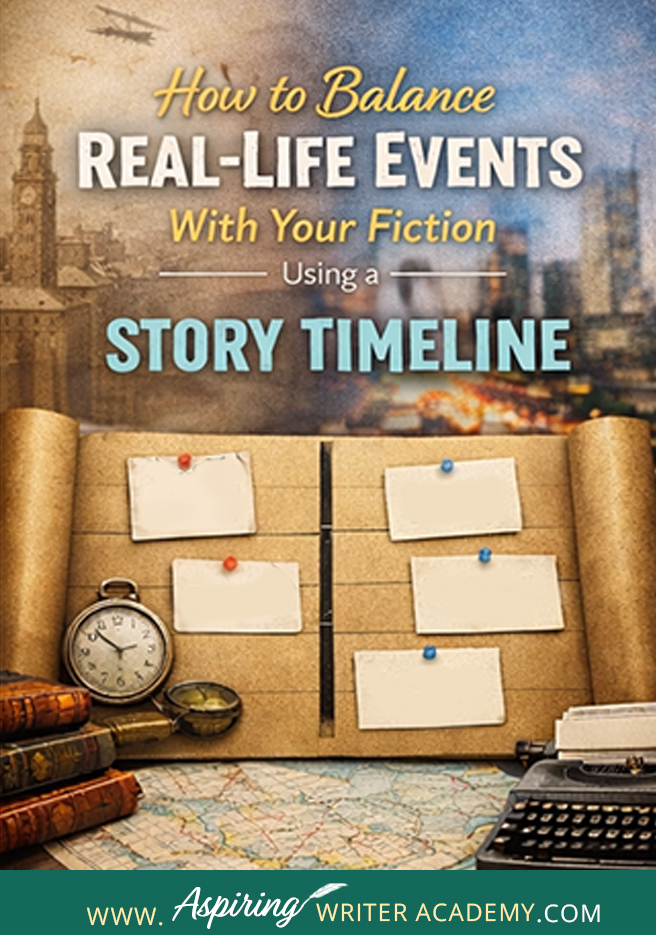
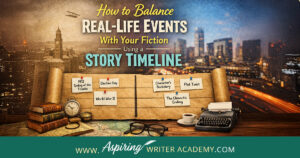
Step 2: Make a Simple Timeline Scroll
You don’t need fancy tools to create a functional, visual timeline:
-
Take a paper grocery bag.
-
Cut it lengthwise along one side.
-
Cut around the bottom rectangle and unfold it into a long scroll.
-
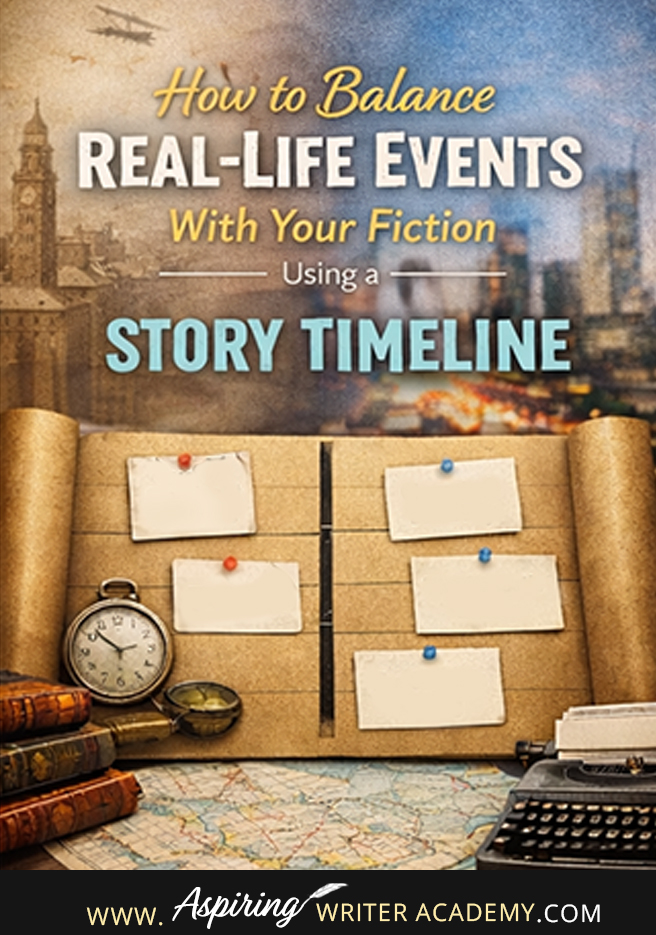
Draw a bold vertical line down the center.
-
Add small horizontal lines branching off both sides.
Now you have a visual workspace where you can compare real-life events and fictional story events side by side.
Step 3: Left Side — Real-Life Events
On the left side, list events your character would know about or be affected by:
-
Historical events
-
Cultural events or holidays
-
Major sports events
-
Technological shifts
-
Political or societal changes
Include dates, brief descriptions, and leave space between events. These real-world events create context and tension that can shape your character’s decisions, internal conflict, and motivations.
Step 4: Right Side — Fictional Events
On the right side, add the events that happen in your story. Think about:
-
Beginning, middle, and end events
-
Character milestones and plot points
-
How much time passes between events
Now compare both sides:
-
Does a real-world event influence a character’s choices?
-
Do fictional events line up with cultural, political, or historical realities?
-
Could moving a fictional event slightly make the story feel more authentic?
For instance:
-
If you don’t want a character to think about war, set the story before it begins.
-
If a character uses a horse and buggy, make sure your timeline reflects the era when that mode of transportation was common.
-
If your story occurs during wartime, integrate battles or historical events to naturally affect your plot.
Balancing real and fictional events makes your story feel lived-in and avoids inconsistencies that pull readers out of the narrative.
Step 5: Adjust for Believability
After laying everything out, look for opportunities to improve realism:
-
Shift events to better match historical context
-
Add recovery time for injuries or setbacks
-
Ensure fictional choices react naturally to real-world circumstances
-
Use real events to enhance tension, obstacles, or character growth
A timeline doesn’t just keep your plot in order — it helps you weave a richer, more authentic story.
Dual Timelines and Time Slip Stories
If you’re writing a dual timeline or time slip novel, this method is especially powerful:
-
Use one side of the scroll for Time Period #1
-
Use the other side for Time Period #2
-
Compare real-world events, fictional events, and emotional beats side by side
-
Look for ways to intertwine timelines without confusing your reader
This visual method helps you see overlaps, contrasts, and plot intersections so your storylines remain engaging and believable.
Final Thoughts
A story timeline is more than a planning tool — it’s a clarity tool that helps you balance reality and fiction.
By comparing real-world events with fictional events:
-
Your characters feel grounded and believable
-
Plot points gain authenticity and emotional weight
-
You can weave dual timelines or time slip narratives seamlessly
-
You avoid plot inconsistencies and timeline errors
If your story ever feels off, try creating a simple timeline scroll. Seeing real and fictional events side by side will help you craft a story that’s both compelling and realistic.
We Believe All Authors Can Aspire to Take Their Writing to the Next Level!
Our Goal for Aspiring Writer Academy is to help people learn how to write quality fiction, teach them to publish and promote their work, and to give them the necessary tools to pursue a writing career.
Before You Go… Grab This Free Resource!
If you’re in the early stages of writing your novel, don’t forget to download our free Brainstorming Your Story Idea Worksheet. It includes:
-
Fill-in-the-blank prompts
-
Story structure examples
-
Guided questions
-
Idea-boosting templates
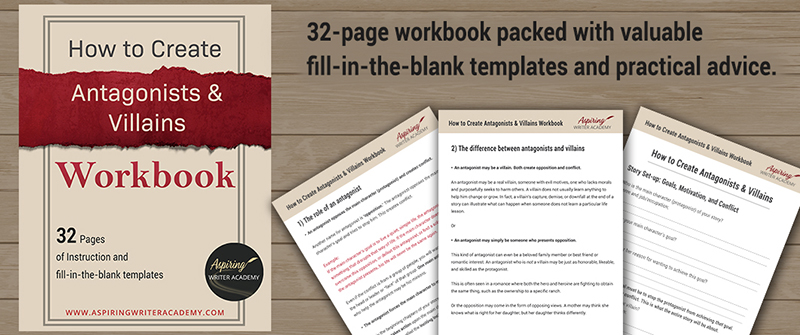
Do you find it difficult to create compelling antagonists and villains for your stories? Do your villains feel cartoonish and unbelievable? Do they lack motivation or a specific game plan? Discover the secrets to crafting villains that will stick with your readers long after they finish your story, with our How to Create Antagonists & Villains Workbook.
This 32-page instructional workbook is packed with valuable fill-in-the-blank templates and practical advice to help you create memorable and effective antagonists and villains. Whether you're a seasoned writer or just starting out, this workbook will take your writing to the next level.
Other Posts You May Like:

is a multi-published author, speaker, and writing coach. She writes sweet contemporary, inspirational, and historical romance and loves teaching aspiring writers how to write quality fiction. Read her inspiring story of how she published her first book and launched a successful writing career.