
Posts by Darlene Panzera
Brainstorm Your Novel Fast (FREE Story Idea Worksheet for Writers)
Have you ever had a story idea floating around in your head… but you weren’t sure how to turn it into an actual plot? Or maybe you want to write a book, but you feel stuck before you even start. Good news — brainstorming your story doesn’t have to be overwhelming. We created a FREE…
Read MoreHow to Balance Real-Life Events With Your Fiction Using a Story Timeline
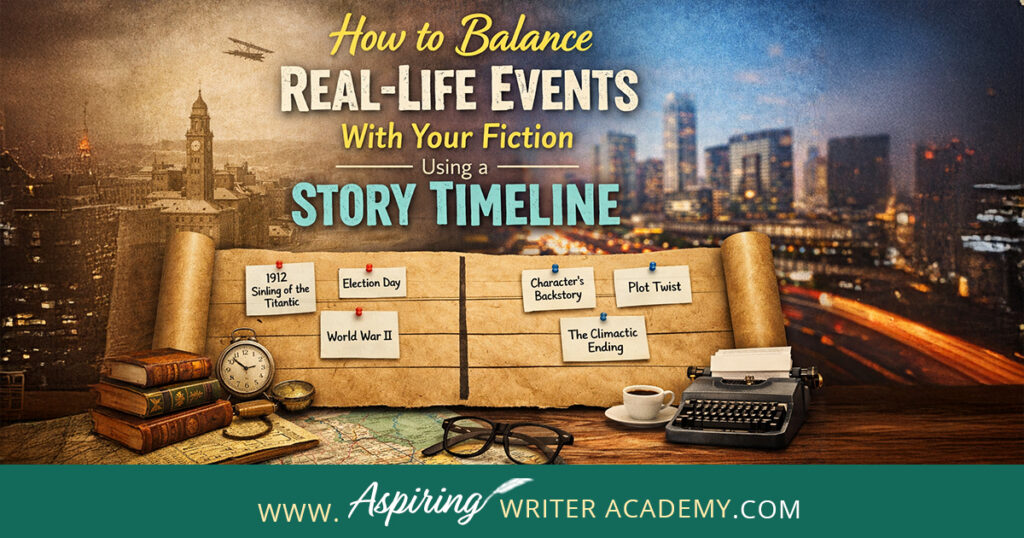
Have you ever been deep into writing your novel, only to pause and think, “Wait… didn’t this happen two weeks ago?” Or maybe a character seems out of place because something in the real world should have affected them, but it didn’t. You’re not alone — keeping your story consistent while weaving in real-world events…
Read MoreHow to Use a Story Collage to Brainstorm, Write, and Promote Your Book
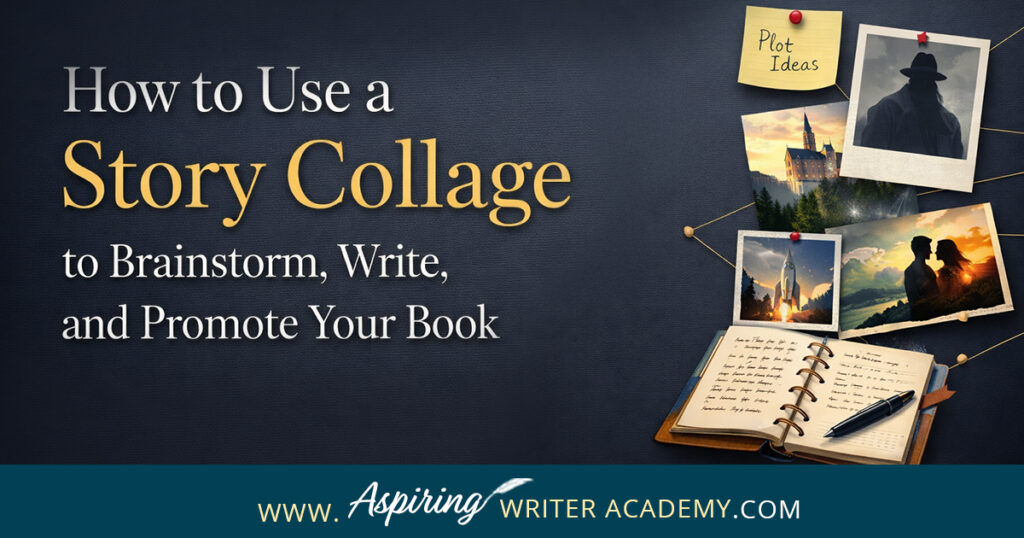
When you first start a new story, you don’t always have everything figured out—and that’s normal. Maybe you have a vague idea of a character, a single scene you can’t stop thinking about, or just a strong sense of place. What you don’t have yet is the full picture. That’s where a story collage comes…
Read MoreHow to Create a Plot Map for Your Fictional Story
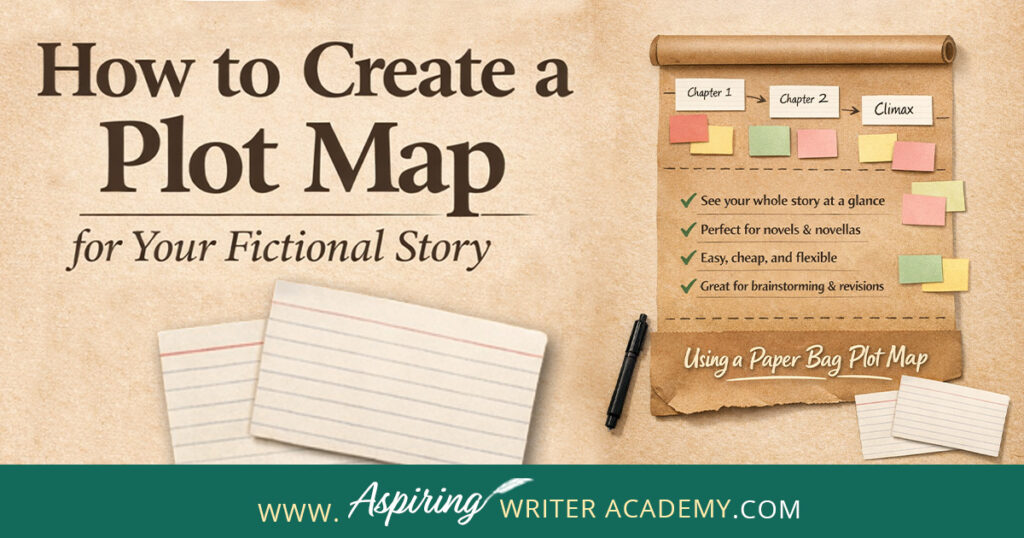
What is a plot map? While many writers brainstorm story ideas using connected bubbles or bullet lists, we’ll show you how to create a more dynamic plot map that offers a full visual outline of your story—using a simple paper bag! In How to Create a Plot Map for Your Fictional Story, we explore the…
Read MoreHow to Write a Scene Goal in Fiction Writing
How to Write a Scene Goal in Fiction Writing Writing a novel isn’t just about having a plot—it’s about understanding what your characters want and why. Every scene should bring your character closer to achieving their ultimate goal. One of the key tools professional writers use to do this is a scene goal, which helps…
Read MoreWhy Every Writer Should Go to a Writing Conference (and What to Expect!)
Ever wonder if attending a writing conference is really worth it? Author Darlene Panzera says absolutely — and after attending the Southwest Washington Writers Conference, she’s sharing exactly what to expect, what to pack, and how conferences can help launch your writing career. What to Pack for a Writing Conference Packing might sound simple, but…
Read MoreHow to Structure a Scene That Keeps Readers Hooked: Scene & Sequel
Ever wondered why some stories grab your attention and never let go, while others feel flat or aimless? The secret often lies in how each scene is structured — and how well it flows into the next. In this video, author Darlene Panzera (who’s written over 16 books, both traditionally and self-published) breaks down the…
Read MoreHow to Defend the Copyright of Your Fictional Novel

Looking to protect your rights as an author? Wondering if you should copyright your fiction novel and how to prevent others from stealing it? In How to Defend the Copyright of Your Fictional Novel, learn straightforward ways to protect your work from theft and piracy. Discover how to confidently defend your creative rights and keep…
Read MoreWhy Fiction Authors Need to Order Proof Copies Before Publishing
Before hitting ‘publish’ on Amazon, it’s crucial to review a proof copy of your self-published book. This sample helps you catch any issues with the cover or interior pages, ensuring everything looks perfect for your readers. In this post, Why Fiction Authors Need to Order Proof Copies Before Publishing, we’ll explore the essential checks to make…
Read MoreHow to Find Time to Write—Even with a Busy Schedule
Let’s face it—finding time to write is one of the biggest challenges for writers. Life gets busy. There are always errands to run, kids to take care of, appointments to attend, and those unexpected things that pop up and throw your whole day off track. You might start your day with the best intentions: “Today,…
Read MoreWhy Writers Need a Clear Plan (Especially When Life Gets Busy)

Hi, I’m Darlene Panera from Aspiring Writer Academy, and if you’re anything like me, you’ve probably experienced those chaotic moments when life throws everything at you at once. Whether it’s coming back from a vacation, juggling appointments, or just trying to get back into your writing groove, having a clear plan can make all the…
Read MoreHow to Plot Your First Story with the Five W’s: Who? What? Why? When? and Where?
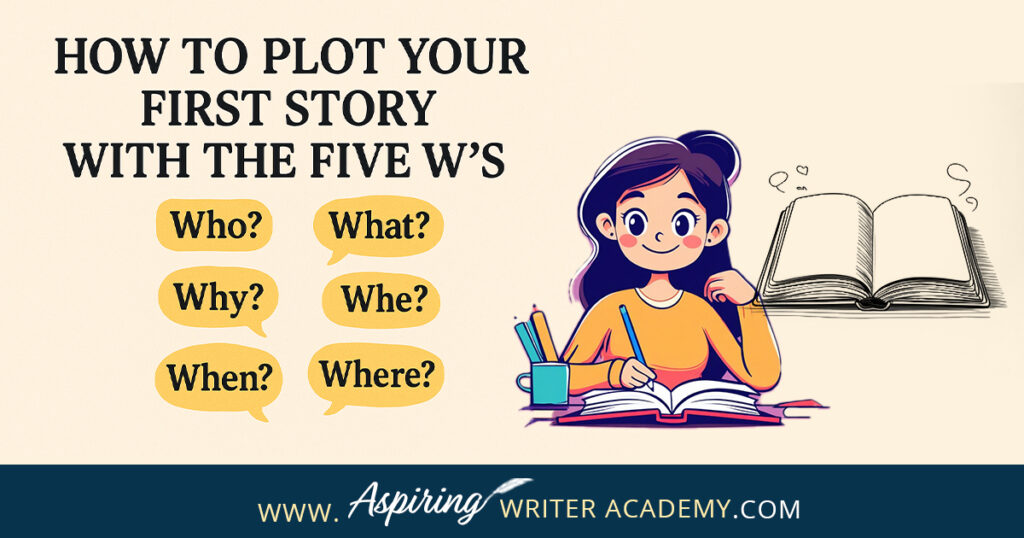
Ready to start writing your first story? Where do you begin? With a character? A setting? Or an exciting idea for a scene? What do you need to create a working outline? How to Plot Your First Story with the Five W’s: Who? What? Why? When? Where? shows you how asking these key questions can…
Read MoreHow to Make Subtext Work in Your Fiction
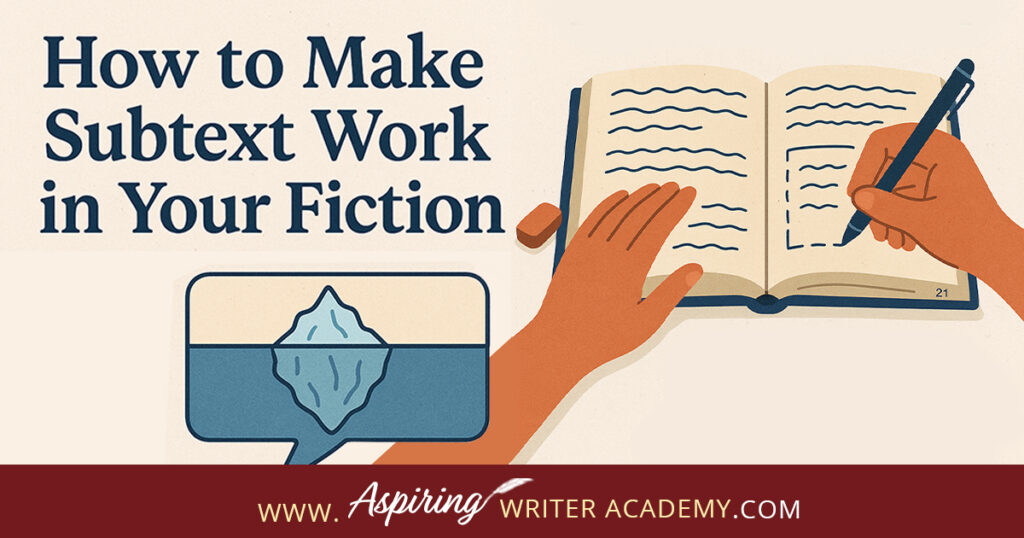
Subtext is the hidden meaning behind the words in your story. It helps you express feelings, conflicts, and desires without saying them outright, encouraging readers to look deeper. You can create tension with subtle dialogue and moments where silence speaks volumes.
In How to Make Subtext Work in Your Fiction, you’ll learn how to use subtext effectively to highlight your characters’ true emotions over what they say, making your story richer and more engaging.
Read More3 Tips: How to Switch Point-of-View When Writing Fiction
Have you heard the phrase “no head-hopping?” What does it really mean? Keeping your character’s point-of-view (POV) clear and consistent is key to making your story easy to follow. Plus, when you want to switch from one character’s perspective to another, it’s important to do it right! In 3 Tips: How to Switch Point-of-View When…
Read More10 Helpful Tips for Novelists to Write Better Fiction
Are you starting to write your first novel or thinking about publishing one? Our 10 Helpful Tips for Novelists to Write Better Fiction cheat-sheet can help you along the way. With advice on creating scenes, choosing the right words, and managing your time, these tips cover key aspects of writing that will improve your story. Whether you’re new to writing or looking for some fresh ideas, these tips will steer you in the right direction as you work toward your publishing goals!
Read More3 Steps: How to Create Fictional Characters with More Depth
Are you struggling to craft fictional characters that truly captivate your readers? Do some of your characters come across as “flat” or ordinary? How do you decide on their daily habits or explore their backstory? In what ways do other characters shape your protagonist’s growth?
In 3 Steps: How to Create Fictional Characters with More Depth, we help you go deeper into your characters’ development, background, timeline, and family history, so you can bring them to life in your fictional novel.
Read MoreHow to Write Better Dialogue for Your Fictional Scenes
Do you struggle to craft engaging dialogue? Do your characters’ conversations feel flat and boring? Are you unsure if their speech effectively advances the plot? Are you wondering how to write witty banter or riveting hook lines to finish your scenes?
In How to Write Better Dialogue for Your Fictional Scenes we explore how to use dialogue to reveal your characters’ personalities and infuse your scenes with conflict and purpose.
Read MoreHow to Set New Year’s Resolutions for Fiction Writing
After the holiday season, the new year brings a chance for renewal and the opportunity to set new goals. While many of us establish New Year’s resolutions for various aspects of our lives, have you considered crafting resolutions specifically for your writing?
In How to Set New Year’s Resolutions for Fiction Writers, we provide a series of questions designed to help you create a writing plan that aligns with your objectives and keeps you motivated throughout the year.
Read MoreNo More Excuses: How to Fit Writing into Your Life with Just 10 Minutes a Day
Are you passionate about writing but struggle to find the time to pursue your dream of crafting a fictional novel? Do you feel overwhelmed by your busy schedule, wishing you could incorporate writing into your hectic life?
In our post, No More Excuses: How to Fit Writing into Your Life in Just 10 Minutes a Day, we outline practical strategies to help you write a book and kickstart your author journey—one manageable step at a time.
Read More10 Questions to Consider Before Starting a New Writing Group
Have you ever thought about starting your own writing group? The idea of connecting regularly with fellow writers can be incredibly appealing. Who better to share your writing journey with than those who share your passion? Collaborating with others can also provide valuable opportunities for constructive feedback that can significantly enhance your stories.
To help you get started and avoid potential pitfalls, consider these 10 Questions to Consider Before Starting a New Writing Group.
Read MoreHow to Create a Basic Outline of a Fictional Novel with Characters, Plot, and Setting in One
Looking for a faster, easier way to brainstorm a new story idea? Wondering where to begin—characters, plot, or setting? You can start with any of these elements, but it’s essential to consider how they interconnect, as adjustments may be necessary to craft a cohesive story that works.
How to Outline a Fictional Novel with Characters, Plot, and Setting in One Day offers a set of insightful questions designed to help you create a basic outline for your new fictional story—all in a single session.
Read MoreTop 10 Tips: How to Learn the Craft of Fiction Writing
Where do you go to learn the craft of fiction writing? Many writers start a manuscript without any instruction only to lose their way halfway through the novel. Even more frustrating is going to a writer’s conference that focuses on publishing and marketing more than how to write your first book.
In Top 10 Tips: How to Learn the Craft of Fiction Writing we give you links, resources, and valuable information to help you develop your skills and take your writing to the next level.
Read MoreHow to Create ‘Rising Conflict’ in Your Fiction Novel
‘Rising Conflict’ in a fictional novel adds tension, moves the story forward, and helps create character change. But what exactly is rising conflict? Does every book need conflict? And what is the difference between internal and external conflict?
In How to Create ‘Rising Conflict’ in Your Fiction Novel, we address each of these questions and show you step-by-step how to create rising conflict at the scene and overall story level to write a riveting book your readers will love.
Read MoreFiction Writing: How to Make Your Character’s Unique
Do you struggle to create unique characters for your fictional novel? How do you let your reader know that your main character is a worthy hero? How do you reveal your character’s personality without telling or using dialogue?
In Fiction Writing: How to Make Your Character’s Unique, we discuss the use of body language, clothing, transportation, food, drink, mannerisms, speech, physical markings, and scents & smells to help you create unique characters your readers will love.
Read MoreHow to Get More Done with a Weekly Writing Plan!
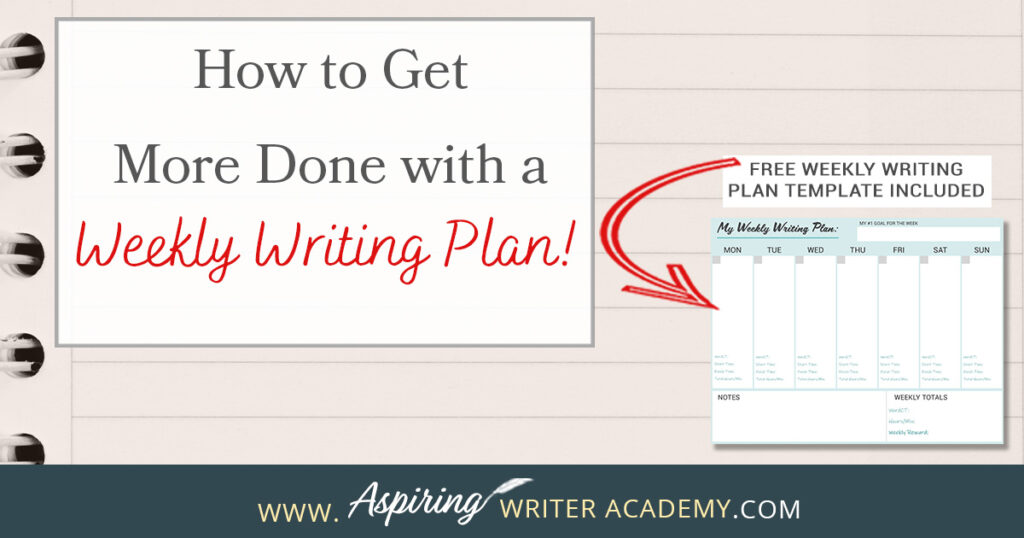
Do you schedule blocks of time to focus on writing your novel each week? Or is writing a hit or miss depending on your personal life? Does having a plan seem too rigid? Are you frustrated because you are not achieving the goals you set out to do weekly, in a month, 90 days, or a year?
In How to Get More Done with a Weekly Writing Plan, we show you how to create a flexible plan to help you write more, track your progress, keep you accountable, and celebrate your success.
Read MoreFiction Writing: When to Start a New Paragraph?
Do you know when to start a new paragraph in your fictional novel? Did you know that paragraphing can be different for popular fiction than if you are writing non-fiction, literary fiction, or a story for English composition class? That is because popular (or genre fiction) is designed to hook the reader and entertain, often by utilizing stylistic effects.
In Fiction Writing: When to Start a New Paragraph? we discuss 10 times you should be indenting the text for maximum story impact.
Read MoreHow to Use Setting “Props” to Intensify Your Story
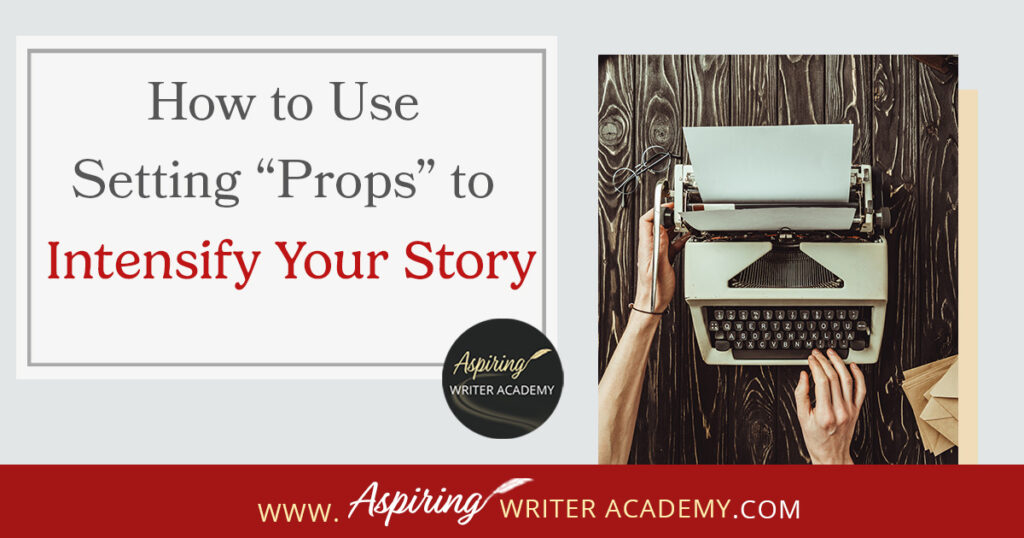
What exactly is a “prop” in a fictional story? How can you use props to spice up a particular scene or increase the conflict on the pages of your novel?
In our post, How to Use Setting “Props” to Intensify Your Story, we discuss 3 ways you can use items in the setting to write vivid description, reveal character, and elevate the conflict.
Read MoreHow to Write Your Very First Fiction Novel
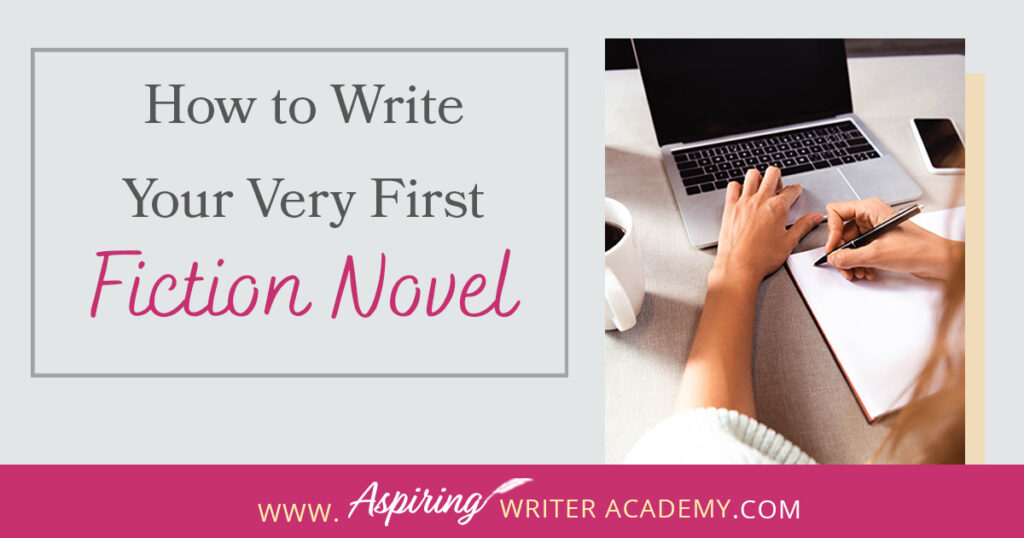
Have you ever thought of writing a book? Do you need help coming up with a story idea or creating a working outline? How do you create a cast of characters? Do you need a villain? What is a simple way to plot if you do not have any experience?
What are the basics you need to know to get started?
In our post, How to Write Your Very First Fiction Novel, we go over the first steps you need to take to turn your story idea into a working manuscript that you can be proud of.
How to Plot: One Central Storyline
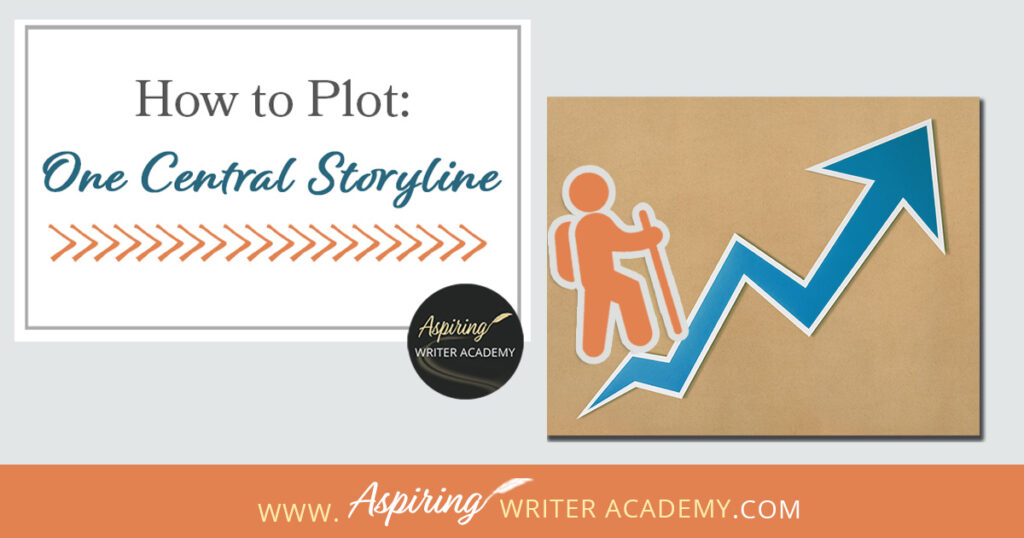
When others ask what your story is about, do you have trouble coming up with an answer that does not take fifteen minutes to explain? Can you condense the main plot down into a single sentence? Is there a focused theme? Do the subplots relate to the core idea of your novel, or do they go off in a million different directions?
How to Plot: One Central Storyline helps you avoid ‘the eyeroll,’ polite nod, and ‘glazed look’ of agents, editors, and readers so they are excited to read each page.
How to Protect Your Novel from the Black Screen of Death
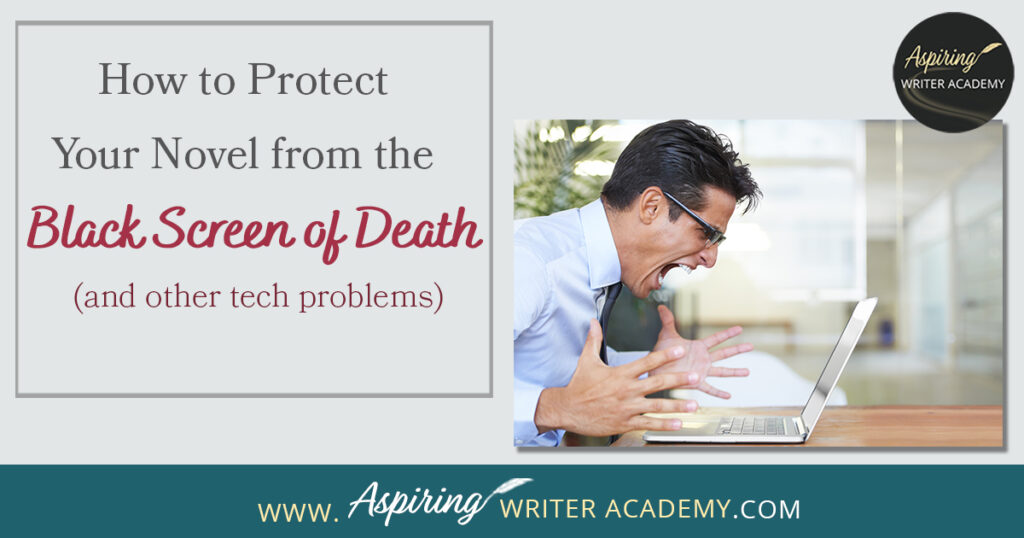
Imagine happily typing your fictional novel when all of the sudden the computer screen goes blank. What just happened? You stare at the screen in disbelief. Where did your story go? It is possible you may have lost hours of hard work, some of which you may not be able to replicate.
In our post, How to Protect Your Novel from the Black Screen of Death (and other tech problems), we offer helpful tips to keep this nightmare scenario from happening to you.
Read More